Lorem ipsum dolor sit amet, consectetur adipiscing elit. Nullam pretium justo quis purus sagittis, consectetur laoreet libero ullamcorper.
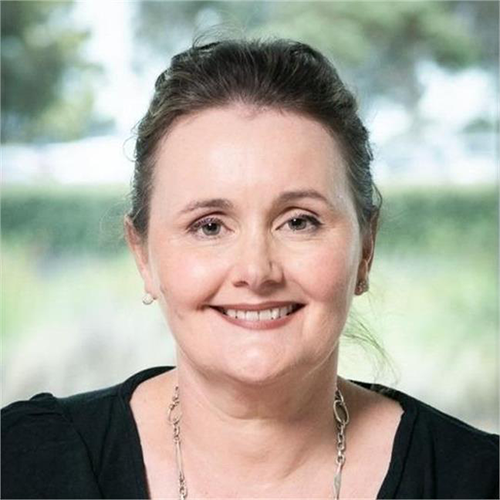
As someone living with MS, and as someone who advocates every day for Australians affected by this disease, I find it incredibly difficult to understand how the Government could contemplate restricting access to medications that have transformed lives and delivered proven outcomes for so many people."
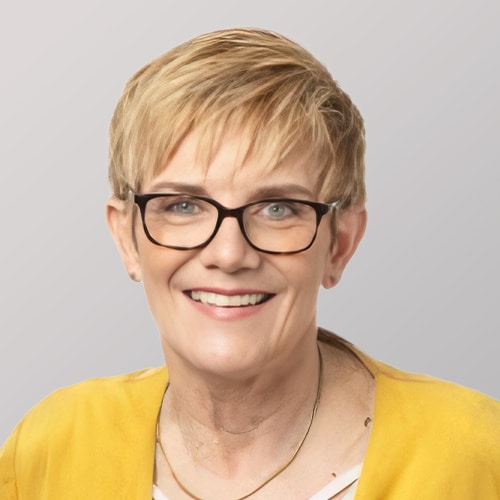
Sharlene Brown
Independent Director, MS Australia
As someone living with MS, and as someone who advocates every day for Australians affected by this disease, I find it incredibly difficult to understand how the Government could contemplate restricting access to medications that have transformed lives and delivered proven outcomes for so many people.
These treatments are not a luxury. They are the reason thousands of Australians are able to remain in the workforce, care for their families, contribute to their communities and maintain their independence.
Sharlene Brown
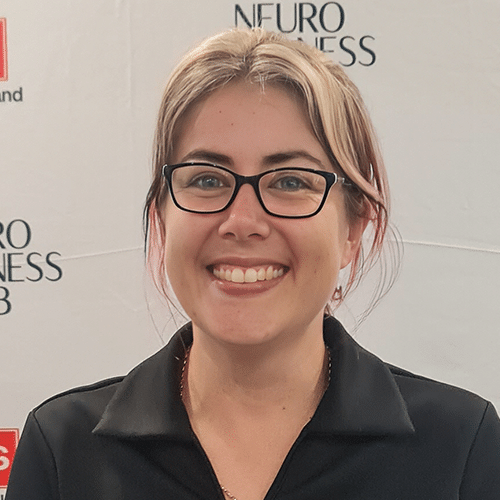
MS-related disability is often irreversible. Once function is lost, it can be difficult—or impossible to regain. For people living with MS, access to effective treatment is not simply a healthcare expense; it is an investment in preventing disability, preserving independence, and enabling ongoing participation in work, family, and community life."
Rachel Kerr
MS Australia LEEP Member
As someone who has lived with MS for many years and experienced multiple treatments, I know firsthand the value of having access to highly effective therapies. Kesimpta has helped me manage my condition with fewer side effects and less disruption to my daily life, allowing me to maintain my independence and continue contributing to my community.
Importantly, MS-related disability is often irreversible. Once function is lost, it can be difficult—or impossible—to regain. This makes timely access to highly effective treatments critical. Restricting access may reduce costs in the short term, but it risks creating far greater costs in the future through increased disability, higher healthcare utilisation, reduced workforce participation, and greater reliance on disability and social support services.
For people living with MS, access to effective treatment is not simply a healthcare expense; it is an investment in preventing disability, preserving independence, and enabling ongoing participation in work, family, and community life. As such, maintaining affordable access to high-efficacy treatments like Kesimpta and Ocrevus is not only the right outcome for patients—it is a logical long-term investment for Australia.
rachel kerr
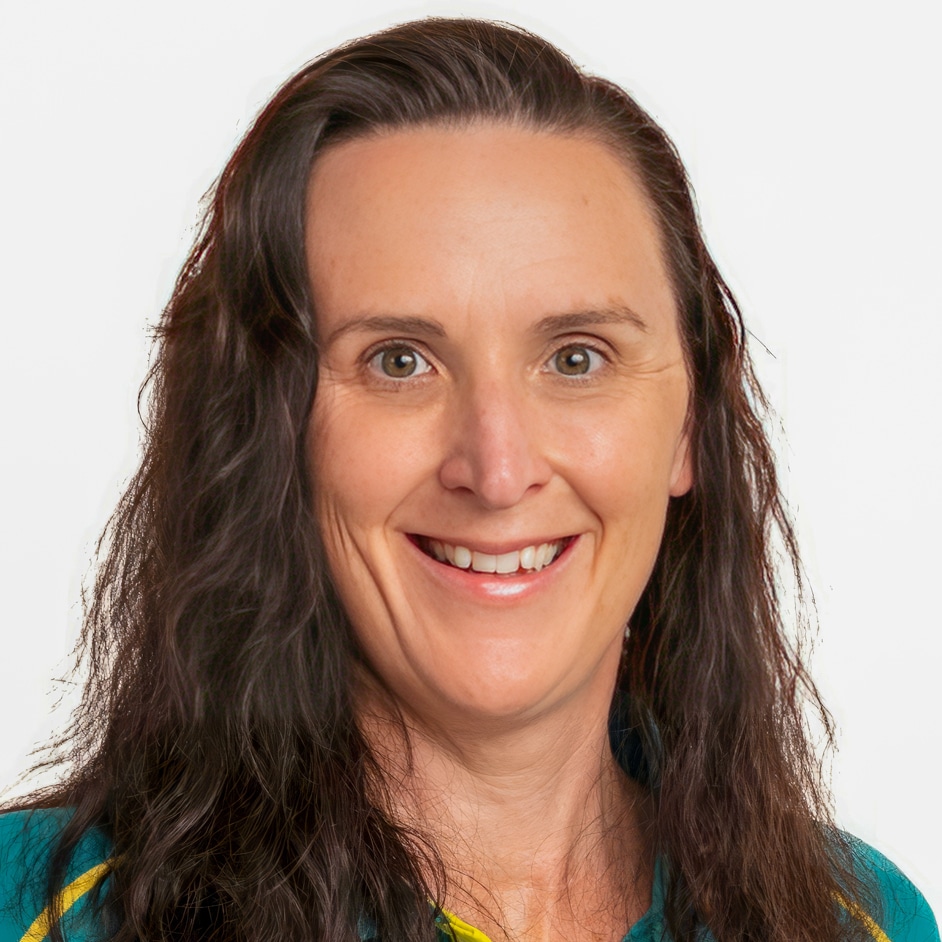
I am now currently on Kesimpta and it is my last option of medication. I cannot afford to pay for the medication if it is not funded by the PBS."
Janine Watson PLY
MS Australia LEEP Member
I was diagnosed with MS at the age of 25. I was told without treatment I would be in a wheelchair within 5 years, a vegetable within 10 years (yes – that was the language used) and not to expect to see my 40th birthday. For the first 10 years after diagnosis, I tried multiple medications – each not having an impact on slowing the progression of the disease. In 2017 my last resort was Ocrevus. This medication was the only medication that worked and gave me back function and hope that I could live pass the age of 40.
In 2021, I was a member of the Australian Paralympic Team for the Tokyo 2020 Paralympics. It was at those games, I became Australia’s first ever Paralympic Medalist in the sport of Para Taekwondo. I have also gone on to win 4 World Championships in the sport of Para Taekwondo. This would not have been possible without Ocrevus.
I am now currently on Kesimpta and it is my last option of medication. I cannot afford to pay for the medication if it is not funded by the PBS. I have no other options for medication. This decision to remove Ocrevus and Kesimpta from the PBS is essentially signing my death certificate.
janine watson ply
I've represented Australia on the world stage as a Paralympian, but my greatest challenge has always been living with MS. Please don't take away the treatment that is helping me continue to live the life I've worked so hard to build."
Carol Cooke AM PLY
MS Australia LEEP Member
Help us protect access to affordable, effective MS treatments