


This research symposium, held in partnership with The Florey, will reflect on three decades of progress in the development of MS medications – their impact on care and quality of life, what has been achieved, what remains unmet, and what comes next.
Bringing together clinicians, researchers, people living with MS, and industry, the symposium will look back on 30 years of treatment advances and look ahead to future therapies, remaining knowledge gaps, and access considerations.
Across the day, the symposium will focus on:
We’re pleased to host this landmark symposium in Melbourne at The Florey Institute of Neuroscience and Mental Health. We look forward to welcoming researchers, clinicians, people impacted by MS and industry to this important national discussion.
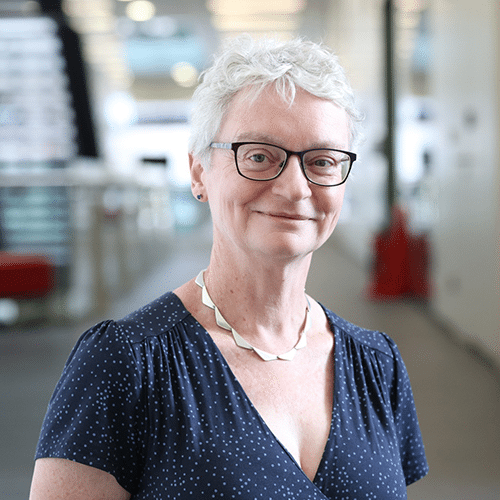
Anna Williams is Professor of Regenerative Neurology and runs a research group in the Institute of Regeneration and Repair at the University of Edinburgh. She is also a consultant neurologist, with a busy clinic in the Anne Rowling Regenerative Neurology Clinic. Her research group is interested primarily in understanding how oligodendrocytes and the myelin of the central nervous system work, and how they are maintained and repaired in diseases such as multiple sclerosis and cerebral small vessel disease, with the ultimate aim of trying to improve this and therefore improve therapies. At the University of Edinburgh, Anna co-directs the Centre for Regenerative Medicine and the MS Society Edinburgh Research Centre, and serves as Deputy Director of the BHF Centre of Research Excellence (REA4). She also sits on the grant panels of MS Society UK and France MS, is a member of the Scientific Steering Committee of the International Progressive MS Alliance, and is a MS Society UK Ambassador.
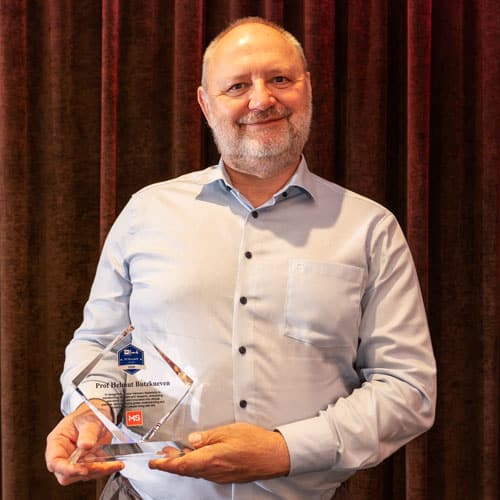
Professor Helmut Butzkueven is The The Van Cleef Roet Chair of Neuroscience and Head of the Department of Neuroscience, Monash University, and Director of Neurology, Alfred Health. He is also Chair of the Multiple Sclerosis and Neuroimmunology research unit in the Department of Neuroscience, School of Translational Medicine. He is an international leader in translational research in the neurological disease, Multiple Sclerosis (MS). He is Managing Director of the MSBase Foundation (www.msbase.org) that funds and administers a global online MS cohort study with more than 70,000 patients enrolled in 130 centres across 36 countries, which has resulted in multiple publications that have directly impacted on patient care worldwide.
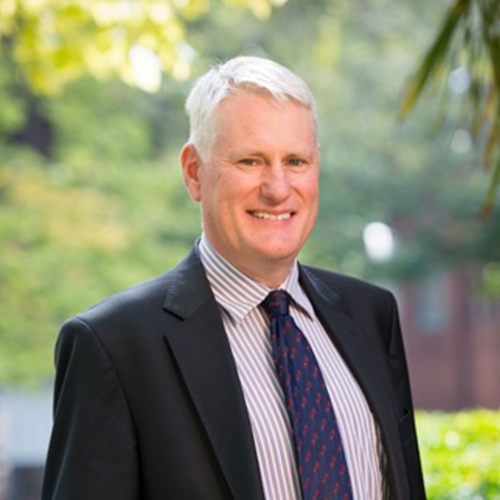
Professor Trevor Kilpatrick is a neurologist and clinician‑scientist specialising in MS. He is Professor of Neurology at the University of Melbourne and Clinical Director and MS Division Lead at the Florey Institute of Neuroscience and Mental Health. He is also Head of the MS Unit at the Royal Melbourne Hospital, where he and his team review over 1,000 people with MS each year from across Australia. Professor Kilpatrick co‑founded the Ausimmune Consortium, a leading national and international research effort that has advanced understanding of the epidemiology of MS, including the roles of sunlight and vitamin D exposure, smoking, obesity and Epstein-Barr virus. His research focuses on the biological mechanisms underpinning MS and translating discovery science into improved treatments, particularly for progressive disease.
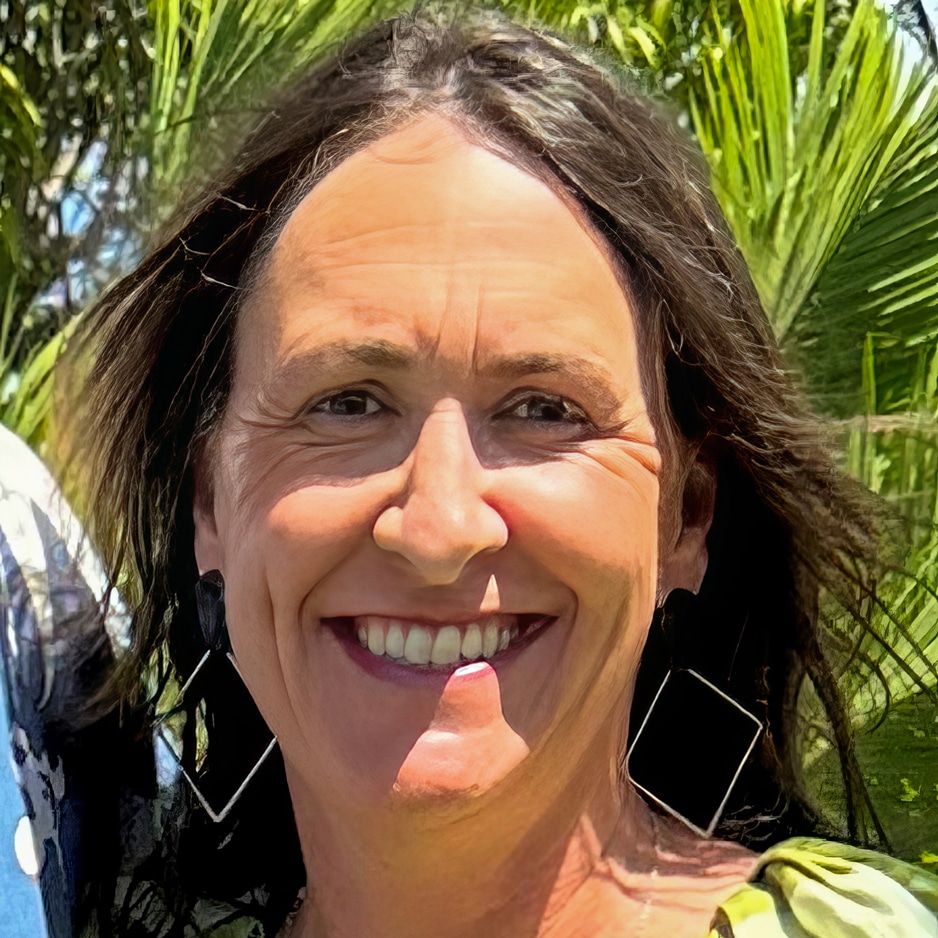
Rowena Auchterlonie was diagnosed with relapsing remitting MS in 2016, following a 30-year career with Tasmanian Police. She has spent the past 15 years working in the community sector, advocating for people experiencing social and economic barriers and promoting collaborative, person-centred approaches through community forums, consumer events and case collaboration conferences. Since her diagnosis, Rowena has continued this commitment through part-time work supporting at-risk young people and mental health programs, helping connect people with the services and supports they need. Her lived experience of MS has deepened her interest in understanding the disease and strengthened her commitment to contributing meaningfully as a member of the MS Lived Experience Expert Panel and the MS Research Flagship.
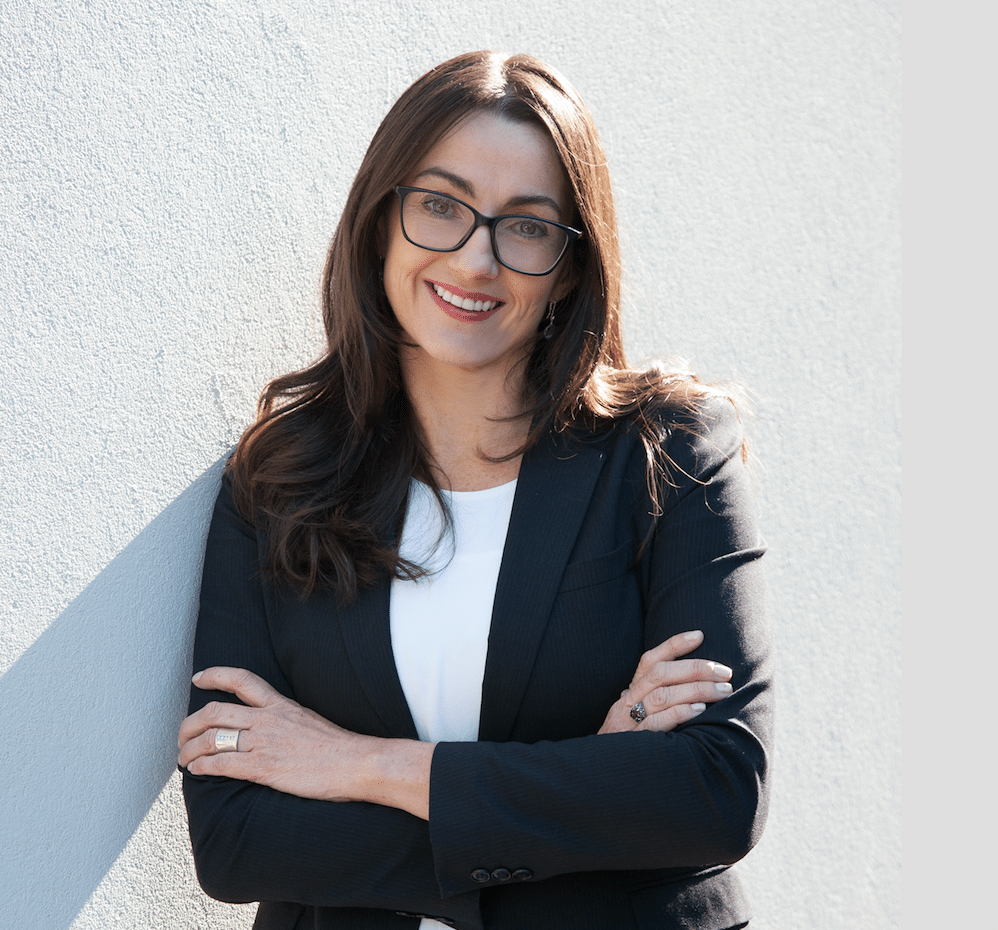
Professor Anneke van der Walt is a neurologist and Director of the Multiple Sclerosis and Neuroimmunology Unit at Alfred Health and Monash University in Melbourne. She is Chief Operating Officer of MSBase, an international MS registry following more than 140,000 people across 40 countries, and a co-author of the 2024 McDonald criteria used worldwide to diagnose MS. Her research focuses on detecting and understanding progression in MS, including its effects on daily life, and on the long-term safety of MS treatments, particularly for women and older people.
Jo Beard is a respected community leader, long-serving Corangamite Shire Councillor, former Mayor, and passionate advocate for regional Victoria. A wife and mother of two, Jo has spent more than a decade championing the needs and resilience of communities across the state’s south west.
Diagnosed with a rare and progressive form of multiple sclerosis in 2018, Jo was simultaneously called upon to help lead her community through the devastating St Patrick’s Day fires. Her experience navigating both personal and community challenges has shaped her work in disaster recovery, disability advocacy, and community resilience.
Drawing on her lived experience, Jo is a strong advocate for inclusion and recovery, contributing across local, national, and international forums. Her story is a powerful reminder that resilience is not the absence of adversity, but the courage to keep moving forward with purpose and hope.
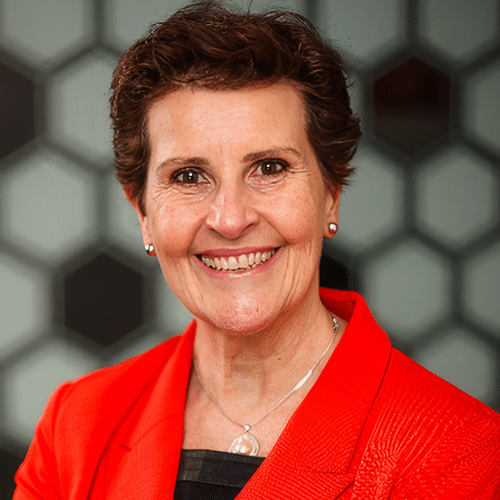
Liz de Somer was appointed as the first female CEO of Medicines Australia in 2018 and has steered the association through changes in Government and a dynamic policy landscape. Liz is one of Australia’s leading health policy experts on public health and the pharmaceutical industry. She is widely regarded for her contributions to national policy development and has led successive Strategic Agreement negotiations with Industry and the Commonwealth.
Liz began her career as an Intensive Care nurse before undertaking post-graduate studies in Medical Sciences and Drug Development, leading her to work across drug development, clinical trials, regulatory affairs and market access in the pharmaceutical industry. Her commitment to improving the lives of patients has remained a consistent focus throughout Liz’s career.
Liz contributes her expertise to various advisory boards and expert committees providing advice to Government, industry and the university sector. She was appointed by the Minister for Health and Aged Care to the HTA Review Reference Committee and the HTA Implementation Advisory Group from 2023 to 2025 and sits on the Climate & Health Expert Advisory Group and the NHMRC Industry Philanthropy and Commercialisation Committee.
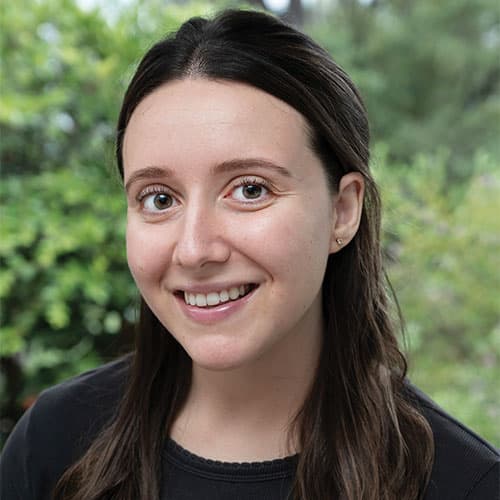
Connie Janiszewski was diagnosed with MS in 2020 and became a member of the MS Australia Lived Experience Expert Panel in 2025. She is committed to ensuring lived experience informs MS Australia's governance, policy, research, education, and advocacy, and has contributed to policy submissions, reviewed research proposals, and provided feedback on resources to support people with MS and healthcare professionals. Motivated by her own healthcare experiences, Connie is a Graduate Researcher in the School of Psychology at Deakin University, where she investigates experiences of medical gaslighting and its impact on the diagnosis and management of people with MS and inflammatory bowel disease. She is passionate about embedding lived experience throughout her research and advocacy to improve healthcare experiences and outcomes for people with chronic illness.
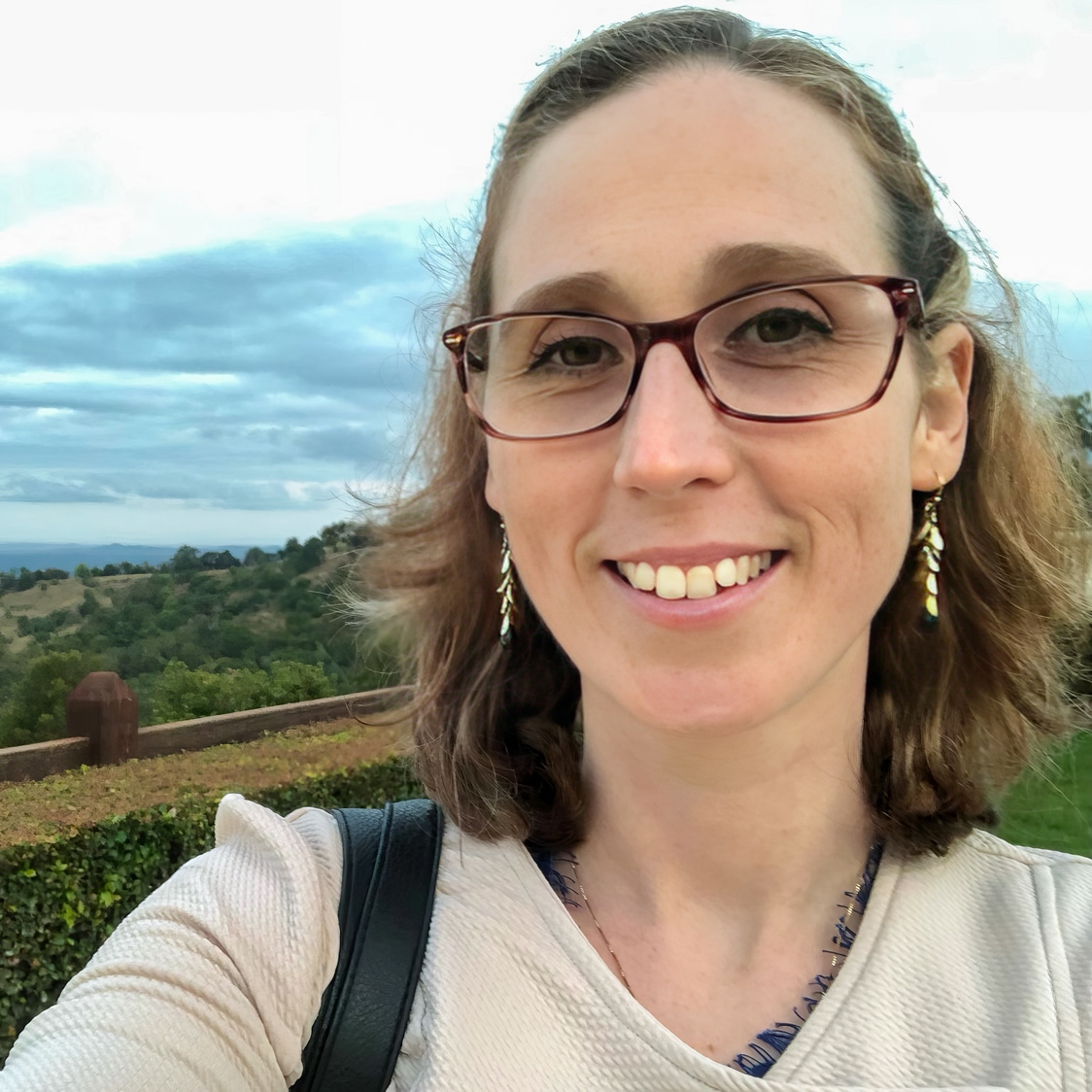
Kate lives in Townsville, North Queensland and was diagnosed with MS over 20 years ago when she was 18 years old. She works as an IT professional and has been either studying or in the workforce for all of her MS journey. She is a passionate advocate for the needs of young people diagnosed with MS, people living with MS in regional and remote areas, and for those who are balancing managing their employment with managing their MS.
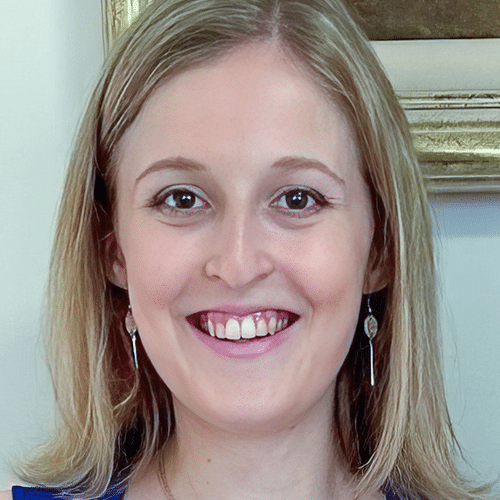
Rebecca has a parent with MS and is most passionate to share her lived experiences from the family setting. This particularly includes the invisible symptoms of MS including cognitive difficulties and fatigue. She also works as an Occupational Therapist seeing patients with neurological conditions including MS, and prescribing assistive technology. Through this experience, she has seen her parent transition across many different MS medications and disease-modifying therapies as well as observing other medication experiences from her clients during her work. She also works as an academic at the University of Sydney teaching into the Occupational Therapy program and researching into MS.
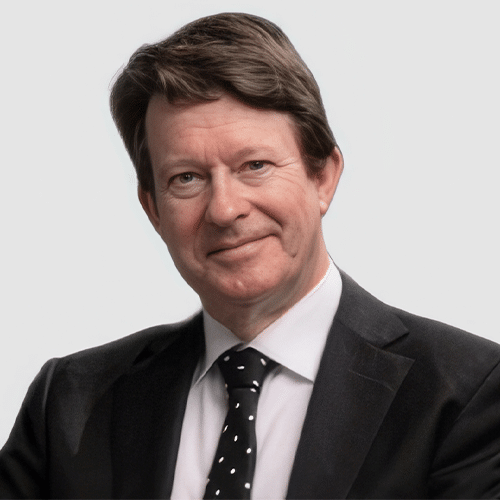
rofessor Richard Macdonell was Director of Neurology at Austin Health 2008-2022 and has been Head of the Neuro-Immunology - Clinical Research, Education & Support Service (NCRESS) for patients with multiple sclerosis and other autoimmune conditions at Austin Health since 1996. He is an Honorary Professorial Associate at the Florey Institute of Neuroscience and Mental Health and a past President of the Australian and New Zealand Association of Neurologists.
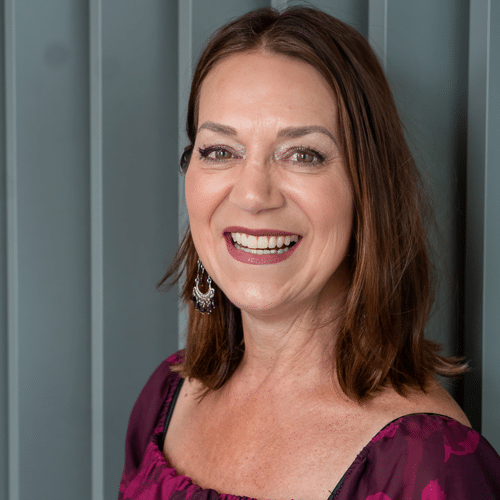
Belinda's role at Austin Health encompasses service management, research oversight and clinical care, and she has more than 18 years' experience supporting people living with MS from diagnosis through the complexities of their condition.
She leads a team of MS Nurses providing specialist care, education and support to people with MS, and oversees preceptorship programs for new MS Nurses. Belinda collaborates extensively with local, national and international partners and plays a key role in MS research, including management of clinical trials and broader research initiatives. She is a co-author of the MS Nurse Care in Australia Report, which highlights the value of MS nursing in Australia.
Belinda's contributions to MS care, education and advocacy have been recognised through the 2025 MS Australia Advocacy Award and the 2026 International MS Nurse Leadership Award, presented by the International Organisation of MS Nurses.
Belinda is Chair of the MS Australia MS Nurses Working Group and past President of MS Nurses Australasia.
Registrations are now full. If you would like to join the waitlist, please complete the form below. We will contact you if a place becomes available.
By Train:
The nearest train station is Parkville Station (Metro Tunnel). From the station, use the Royal Parade East exit (Exit 2). The Kenneth Myer Building is approximately a 2-minute walk from the station.
By Tram:
Tram Route 19 runs along Elizabeth Street and Royal Parade. Get off at Stop 12 – Morrah Street / Royal Parade (Parkville), which is the closest stop to the Kenneth Myer Building. From there it is approximately a 2–3 minute walk.
By Car:
The Kenneth Myer Building is located on Royal Parade within the University of Melbourne Parkville campus. Access to the building is available via Royal Parade or Grattan Street, following campus signage toward the Kenneth Myer Building.
Parking:
A paid car park is located underneath the Kenneth Myer Building, with vehicle access from Royal Parade. Limited metered street parking is also available on Royal Parade and surrounding streets.
Accessibility
The Kenneth Myer Building is wheelchair accessible and includes lift access to the Ian Potter Auditorium. Accessible toilets are available within the building. If you have specific accessibility requirements, please contact the event organisers in advance so that appropriate arrangements can be made.
The symposium is designed to promote the exchange of scientific thought, break down barriers to MS research in Australia, and to provide research updates to the MS community.
The National Symposium on MS Medications: 30 Years & Beyond is an invaluable opportunity for clinicians, allied health professionals, researchers and the MS community to come together to access global innovation and insights, and to network.
MS Australia’s symposium, held in partnership with The Florey, marks 30 years since MS medications first became available in Australia.
The symposium provides a unique opportunity to reflect on how MS medications have transformed care and quality of life over the past three decades, examine ongoing challenges such as disease progression and equity of access, and explore what’s next in MS treatment and research.
Through expert presentations, panel discussions and networking opportunities, the symposium will bring together researchers, clinicians, policymakers and people with lived experience to share insights, discuss evidence and consider future directions for MS medications in Australia.
No, the presentations at the symposium are by invitation only.
The National Symposium on MS Medications: 30 Years & Beyond is being held Wednesday, 25 November 2026 in the Ian Potter Auditorium, Kenneth Myer Building (Building 144), 30 Royal Parade, Parkville VIC 3010.
Click here for a map, so you can plan your travel.
Directions By train: The nearest train station is Parkville Station (Metro Tunnel). From the station, use the Royal Parade East exit (Exit 2). The Kenneth Myer Building is approximately a 2-minute walk from the station.
Directions by tram: Tram Route 19 runs along Elizabeth Street and Royal Parade. Get off at Stop 12 – Morrah Street / Royal Parade (Parkville), which is the closest stop to the Kenneth Myer Building. From there it is approximately a 2–3 minute walk.
Directions by car: The Kenneth Myer Building is located on Royal Parade within the University of Melbourne Parkville campus. Access to the building is available via Royal Parade or Grattan Street, following campus signage toward the Kenneth Myer Building.
A paid car park is located underneath the Kenneth Myer Building, with vehicle access from Royal Parade. Limited metered street parking is also available on Royal Parade and surrounding streets.
The Kenneth Myer Building is wheelchair accessible and includes lift access to the Ian Potter Auditorium. Accessible toilets are available within the building. If you have specific accessibility requirements, please contact the event organisers in advance so that appropriate arrangements can be made.
Attendance at the symposium is free of charge thanks to our sponsors, but you will need to register to secure a seat.
Casual business or smart casual attire is suitable for the symposium.
If you are unable to attend the symposium, please inform us as soon as possible by contacting research@msaustralia.org.au. This will allow us to offer your spot to someone else.
Please note that photographs and video will be taken throughout the symposium. These will be used for promotional activities including display on websites and social media platforms. If you do not want your photograph or any video footage taken, or used, you are required to formally advise us in advance by contacting research@msaustralia.org.au.
The symposium organiser, staff and/or its agents and others working under its authority accept no liability for personal accident or loss or damage suffered by any participant, accompanying person, invited observer or any other person by whatever means. Nor do we accept liability for any equipment or software brought to the symposium by delegates, speakers, sponsors or any other party. Please protect your personal property. Do not leave laptops, cameras, and other valuable items unsecured. Be conscious of individuals who appear out of place and do not wear a symposium name badge. Advise symposium organising staff if this does not occur. If you have any questions, please contact research@msaustralia.org.au.
Please advise of any special dietary requirements when you register for the symposium. Caterers at each function will be informed and suitable food for registered dietary requirements will be available. If you are unsure, please don’t hesitate to ask staff at the registration desk.
IMPORTANT – If your dietary request relates to a life-threatening allergy, please ensure that you advise the organisers as soon as possible.
Photography and note-taking are permitted; however, recording of presentations or panel discussions (audio or video) is not permitted without prior written consent.
We encourage delegates to share insights from the symposium via social media, including Facebook, Instagram, LinkedIn and X (Twitter). When posting, please ensure:
Out of respect for other participants, please ensure mobile devices are set to silent during sessions.
We encourage delegates to:
We request delegates to refrain from: