
Dr Tal Koren is a researcher at the Brain and Mind Centre at The University of Sydney whose research focuses on understanding how MS affects the spinal cord. Dr Koren pursues research that improves understanding of progressive MS and identifies new imaging markers that may eventually lead to more effective treatments for people with MS.
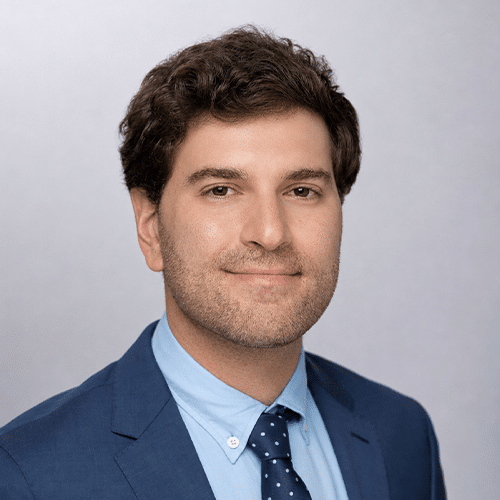
My research focuses on understanding how multiple sclerosis (MS) affects the spinal cord. While we've learned a great deal about MS in the brain, we still know relatively little about what happens in the spinal cord, even though it's often responsible for many of the symptoms people experience.
I'm using a new MRI technique called 3D STIR to create much more detailed images of the spinal cord. We hope this will allow us to detect lesions more accurately and better measure disease activity. We're also developing artificial intelligence tools to automatically identify changes on MRI scans and investigate imaging markers that may help predict disease progression. Ultimately, our goal is to improve how we monitor MS and provide information that could lead to more personalised treatment in the future.
Many of the symptoms that affect quality of life in MS—such as weakness, numbness, walking difficulties, and bladder or bowel problems—are caused by damage to the spinal cord. Despite this, most research has focused on the brain because the spinal cord has traditionally been much harder to image clearly.
By improving how we image the spinal cord, we hope to better understand how spinal cord damage contributes to disability over time. This could help clinicians monitor disease more accurately, identify people at greater risk of progression, and uncover new biological pathways that may become future treatment targets. Ultimately, the aim is to improve care for people living with MS, particularly those with progressive disease, where effective treatment options remain limited.
During my neuroimmunology and MS fellowship at the Brain and Mind Centre and Royal Prince Alfred Hospital, I saw firsthand how dramatically modern treatments have changed the lives of many people with MS. It's remarkable that, for many patients, the outlook today is so much better than it was just a decade ago.
At the same time, I also met people with progressive MS who continue to accumulate disability despite the therapies currently available. That highlighted how much work still needs to be done. I was inspired to pursue research that could improve our understanding of progressive disease and identify new imaging markers that may eventually lead to more effective treatments for those patients who still have the greatest unmet need.
One of the most exciting developments has been the growth of large international research collaborations. The MSBase Registry is a fantastic example, bringing together clinical data from tens of thousands of people with MS around the world.
By pooling information from many centres, researchers can answer questions that would be impossible for a single hospital to study alone. These collaborations have already improved our understanding of how MS progresses, how treatments perform in the real world, and how we can better personalise care. It's a great example of how patients and researchers working together can accelerate discoveries that ultimately benefit the entire MS community.
What I enjoy most is working with such a diverse team. Our research brings together neurologists, radiologists, engineers, software developers and scientists, and everyone approaches problems from a different perspective. Those conversations often lead to the most creative solutions.
One of our biggest challenges is making sure research doesn't place unnecessary demands on people living with MS. Many patients already have frequent appointments and scans, so we've designed our studies to fit alongside their routine clinical care wherever possible. That allows us to answer important research questions while respecting the time and commitment of the people who generously participate in our studies.
Outside of work, I enjoy bouldering. It's a form of rock climbing that's done on shorter walls without ropes, with thick safety mats below. I like that it combines physical exercise with problem solving—every climb is like a puzzle that requires patience and a different way of thinking. It's also a great way to switch off from work and spend time outdoors whenever I can.