NDIS Support Coordination and Connection Consultation
1 October 2026
Disability,NDIS
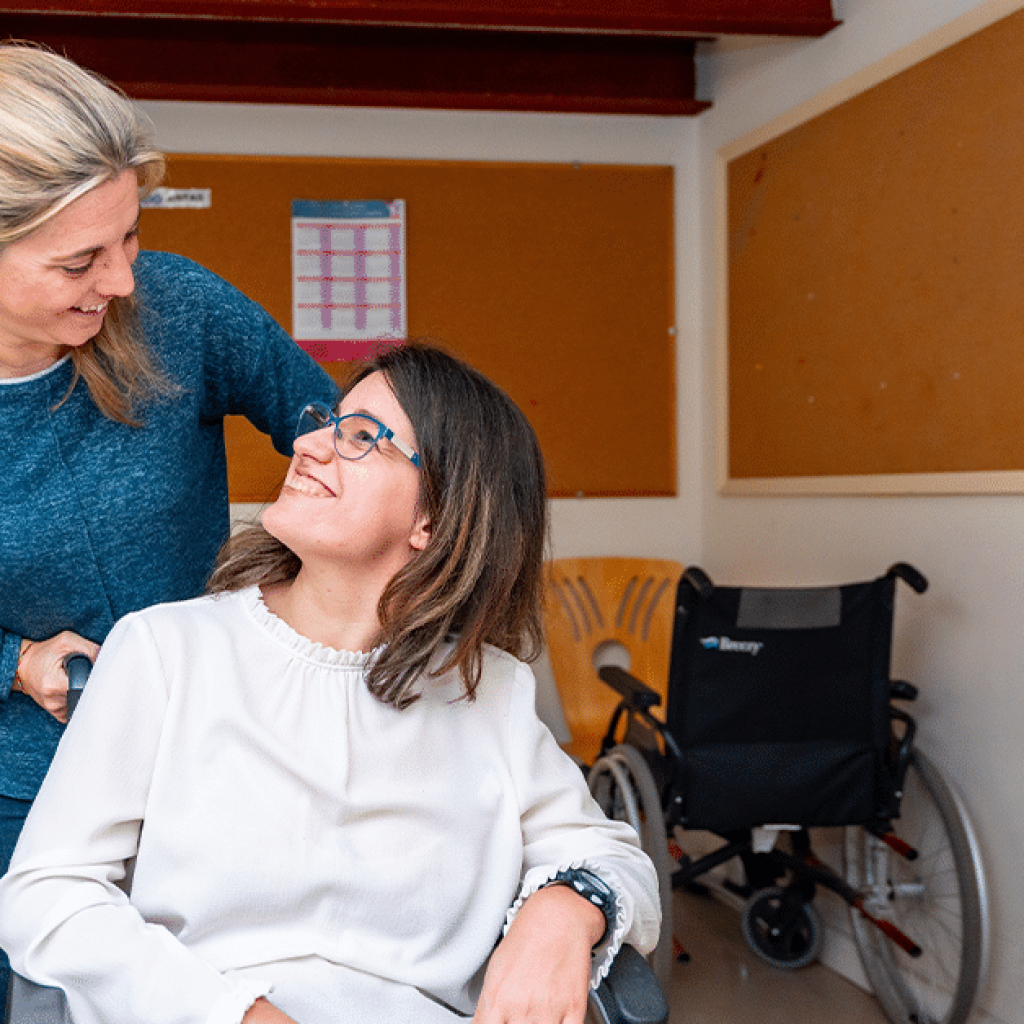
MS Australia supports reforms to NDIS Support Coordination and Connection services that improve quality, safeguarding and consistency while preserving participant choice and access to specialist expertise. This submission recommends a mixed model of generalist SCC and specialist SCC+ services, flexible funding, strong workforce standards, and participant-centred transitions. It emphasises that people with MS and other progressive neurological conditions must retain access to trusted relationships, specialist providers and responsive support as needs change.
MS Australia’s submission to the House of Representatives Standing Committee on Health, Aged Care and Disability draws on LEEP members’ lived experience to show how cost, geography, long waits, complex referrals and fragmented care can limit medical specialist access for people with MS. The submission recommends expanding the specialist and MS nurse workforce, outreach services, telehealth choice, travel assistance, affordable care, clearer referrals, coordinated multidisciplinary support and stronger support for carers nationwide.
MS Australia supports the MBS Time Tiered Items Draft Report and urges the Government to adopt its five guiding principles, improve access to longer GP consultations, and invest in contemporary neurological data collection. Drawing on lived experience, this submission highlights that people with MS need longer appointments to address complex, fluctuating health needs, access holistic care, and improve health outcomes, while better data will strengthen policy, planning and funding decisions.
MS Australia supports clearer, fairer and more accessible NDIS framework planning that recognises fluctuating, progressive and degenerative conditions such as MS. This submission calls for greater transparency in assessments, budgets and plan changes, stronger consideration of participant and clinical evidence, accessible information, improved NDIA staff training, and a six-month delay to removing replacement supports while their impact is evaluated.
Drawing on the lived experience of LEEP members, MS Australia’s submission to the Department of Infrastructure, Transport, Regional Development, Communications and the Arts recommends nationally consistent Aviation Disability Standards. Across the whole journey, planning and booking, at the airport and on the aircraft, the submission prioritises passenger choice and dignity, accessible communication, timely assistance, safe handling of mobility aids, clear implementation timeframes and transparent reporting.
MS Australia supports reforms to NDIS Support Coordination and Connection services that improve quality, safeguarding and consistency while preserving participant choice and access to specialist expertise. This submission recommends a mixed model of generalist SCC and specialist SCC+ services, flexible funding, strong workforce standards, and participant-centred transitions. It emphasises that people with MS and other progressive neurological conditions must retain access to trusted relationships, specialist providers and responsive support as needs change.