MS Australia’s 2025-26 Pre-Budget Submission advocates for strategic investments to support over 33,300 Australians living with MS. Key funding asks include $8M for a National MS Biobank, $300M for a Neurological Research Mission, and $550K for neurological data improvements; $6.5M to expand MS nursing services, a national strategy, and training programs; Improved NDIS pricing, workforce, assistive technology, and income support; and Increased funding for disability-specific aged care services.
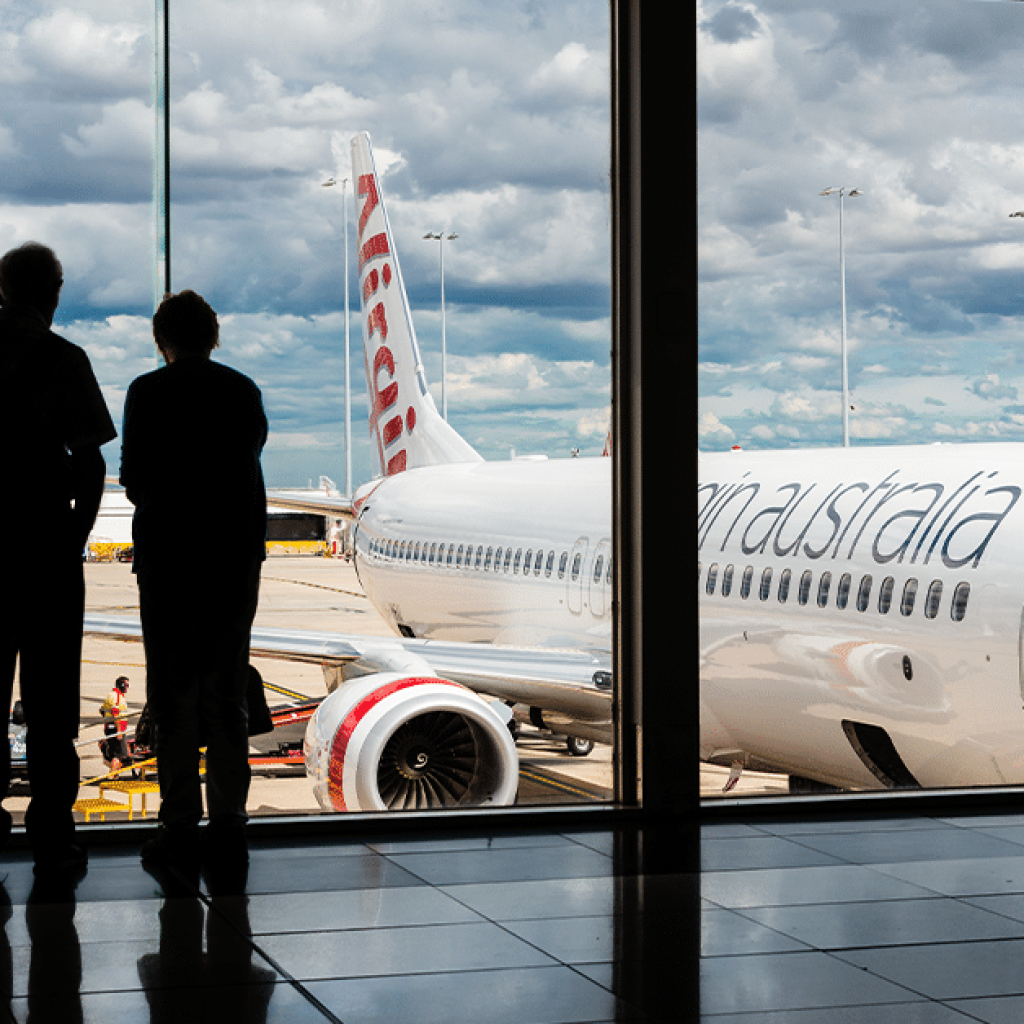
Drawing on the lived experience of LEEP members, MS Australia’s submission to the Department of Infrastructure, Transport, Regional Development, Communications and the Arts recommends nationally consistent Aviation Disability Standards. Across the whole journey, planning and booking, at the airport and on the aircraft, the submission prioritises passenger choice and dignity, accessible communication, timely assistance, safe handling of mobility aids, clear implementation timeframes and transparent reporting.
MS Australia supports reforms to NDIS Support Coordination and Connection services that improve quality, safeguarding and consistency while preserving participant choice and access to specialist expertise. This submission recommends a mixed model of generalist SCC and specialist SCC+ services, flexible funding, strong workforce standards, and participant-centred transitions. It emphasises that people with MS and other progressive neurological conditions must retain access to trusted relationships, specialist providers and responsive support as needs change.
MS Australia supports NDIS access reforms that are fair, transparent, disability-informed and centred on lived experience. This submission calls for access decisions to reflect the real-world impact of disability, particularly for fluctuating and degenerative conditions such as MS, and recommends clearer guiding principles, streamlined pathways for eligible applicants, reduced administrative burden, stronger consideration of clinical evidence, and improved NDIA workforce training to ensure consistent, person-centred decision-making.
MS Australia submission to the Department of Health, Disability and Ageing on the commissioning of Supported Independent Living (SIL)supports improving the quality, safety and sustainability of SIL, but argues commissioning should be targeted where existing arrangements are failing. The submission calls for rights-based, participant-centred commissioning that values meaningful outcomes, specialist expertise, proactive safeguards, workforce capability, provider sustainability and genuine choice and control. It emphasises the needs of people with MS and other progressive neurological conditions, including maintaining function, preventing decline and supporting long-term independence.
MS Australia’s submission to the Department of Health, Disability and Ageing on the Inclusive Communities Fund highlights the need for the Fund to support genuine, safe and lasting community participation for people with MS and other complex disabilities. Drawing on lived experience from MS Australia’s LEEP and Member Organisations, the submission recommends funding inclusive activities, accessibility improvements, transport and practical supports. It also calls for paid co-design, strong partnerships and clear accountability so people with fluctuating, progressive or invisible disabilities are not left behind.