MS Australia would like to thank Freemasons Tasmania for providing funding to send two Tasmanians living with MS to our recent MS Australia 2025 Progress in MS Research Conference. This funding provided a unique opportunity for two people living with MS to attend the conference in person in Brisbane.
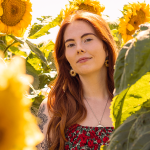
Following an application process, MS Australia selected Carla Di Cocco, based in regional Tasmania and facilitator of a local MS Peer Support Group, and Rowena Auchterlonie, a member of MS Australia’s Lived Experience Expert Panel (LEEP) and the MS Flagships Consumer Advisory Committee (CAC). Both recipients found attending the conference was a transformative event and each brought their unique perspectives to this gathering of scientists, clinicians, and people with lived experience.
The conference offered a rich blend of cutting-edge research, collaborative discussions, and personal stories, creating a meaningful environment where science and lived experience truly intersected.
Across several days, participants explored a wide range of topics – from findings in the MS Prevalence and Health Economic Impact Report in Australia 2025 to lifestyle and environmental influences, genetic and neurobiological factors, and indicators for prognosis and monitoring. Rare neuroimmune diseases and emerging brain-health interventions were also in focus, alongside sessions on T-cell immunity, the gut microbiome, and factors influencing MS onset and disease trajectory. These discussions were complemented by powerful real-life stories, highlighting the complexity of overlapping symptoms and the challenges of diagnosis.
For Carla, a standout moment was hearing international keynote speaker Daniel Ontaneda from the Cleveland Clinic explain MS phenotypes and disease evolution. His descriptions of relapse-associated worsening (RAW), progression independent of activity (PIA), and progression independent of relapses and MRI activity (PIRMA) resonated deeply, affirming her own lived experience.
Rowena, meanwhile, found inspiration in unexpected areas, such as sessions on geomagnetic disturbances and ultraviolet exposure influencing MS onset timing, and presentations on predicting disease disability. Both were intrigued by emerging research on Epstein-Barr Virus (EBV) and its potential role in MS, which may one day lead to strategies that stabilize disability and improve long-term outcomes.
Beyond the science, the conference fostered meaningful human connections. Carla valued meeting MS Australia and MS Queensland team members, young researchers, and allied health professionals like Tom Crouch and Jodi Haartsen, whose knowledge and compassion left a lasting impression.
Rowena reflected on the acceptance and inclusivity that defined the event, which included a mix of experiences all brought together by a shared sense of purpose. Both agreed that receiving scholarships to attend made these opportunities possible, reinforcing the importance of how the inclusion of lived experience can shape the future of MS research.
Living in a regional area can often feel isolating from the centres of policy and decision-making, but events like this bridge that gap. For Carla and Rowena, the conference was far more than an educational event. It was a powerful reminder of the value of lived experience in advancing MS research and care. Their reflections highlight the importance of collaboration, inclusion, and hope.
As they look ahead to the next Progress in MS Research Conference in 2027, their message is clear: if you have the chance to attend, take it. You’ll leave not only informed but inspired, because together, progress is possible.