People with MS help shortlist drugs for repurposing in clinical trials
As co-authors of a new scientific paper, people with MS spoke about their experiences of direct involvement in medical research.
As co-authors of a new scientific paper, people with MS spoke about their experiences of direct involvement in medical research.

Researchers and people living with MS have shortlisted antiviral medications targeting EBV for clinical trials in MS.
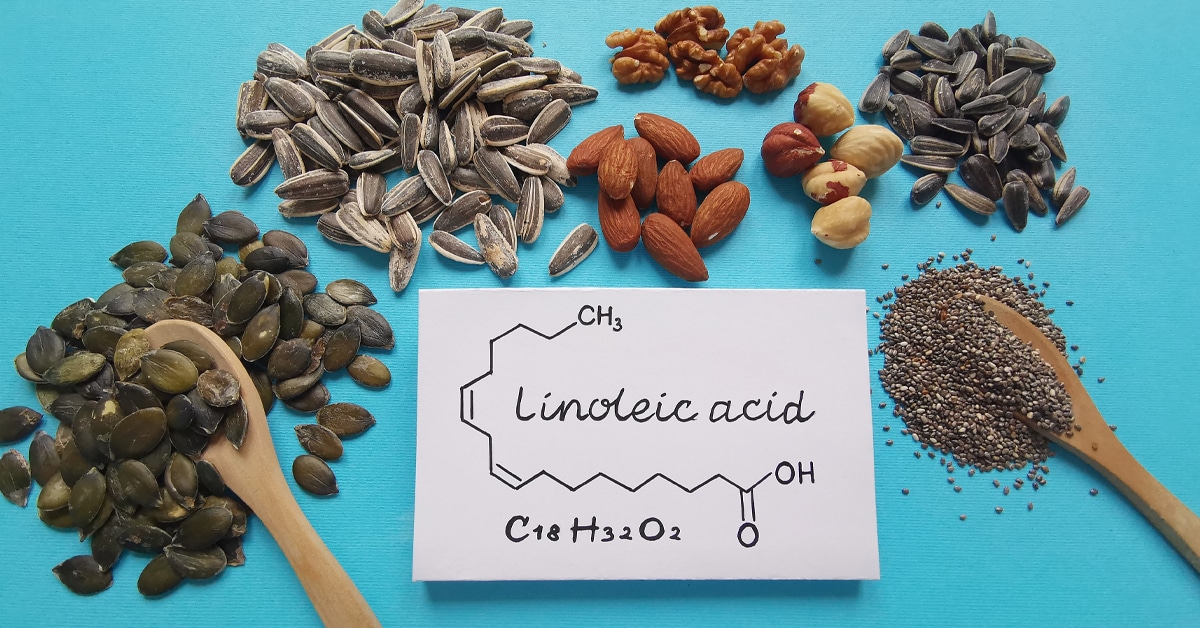
Researchers have found that higher levels of omega-6 polyunsaturated fatty acids in the blood are linked to a lower risk of developing MS.

In 2015, 21-year-old Cass David was working in a Melbourne dental clinic and considering a career in nursing. But then, she began to feel unwell. “The maxillofacial surgeon I worked with at the clinic told me to get an MRI. I did, and soon found out I had MS.”

As we take our first steps into 2025, let’s take a moment to look back at ten of the biggest MS Australia news stories from 2024.
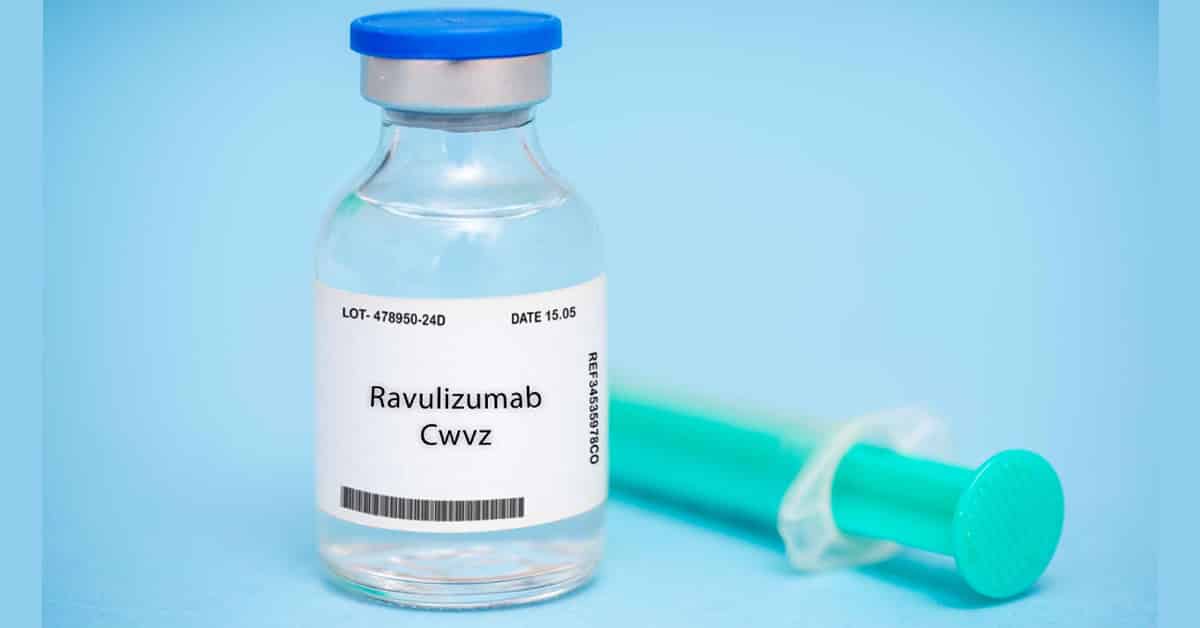
In a groundbreaking development, the PBAC has recommended listing ravulizumab (Ultomiris®) on the PBS for adults with NMOSD, marking a revolutionary step forward in NMOSD care.

The PBAC has recommended a proposed amendment to allow nurse practitioners to prescribe certain MS treatments under the PBS—a game-changer that will dramatically improve access to care, especially in regional and remote areas.
CEO Rohan Greenland outlines the key activities for 2025, which promises to be another big and productive year for MS Australia and the MS community. Tighten your seat belts!

Christmas is the season of giving, and for the last seven years, two young men from Canberra, James