
Toward a Global Research Plan for Preventing Multiple Sclerosis
New recommendations from an international workshop collaboratively led by MS Canada and MS Australia set the scene for a global research agenda for MS prevention.

New recommendations from an international workshop collaboratively led by MS Canada and MS Australia set the scene for a global research agenda for MS prevention.

New recommendations published this week in the MS Journal outline the first coordinated global research strategy to prevent multiple sclerosis (MS), a disease affecting more than three million people worldwide.
CEO Rohan Greenland reflects on key milestones that are helping propel us faster and further down the pathways to cures.

People living with MS and NMOSD, along with family and carers, joined researchers, clinicians, MS Queensland and MS Australia to share experiences, explore research and discuss supports for living with MS and other neuroimmunological diseases at our Conference Community Day.
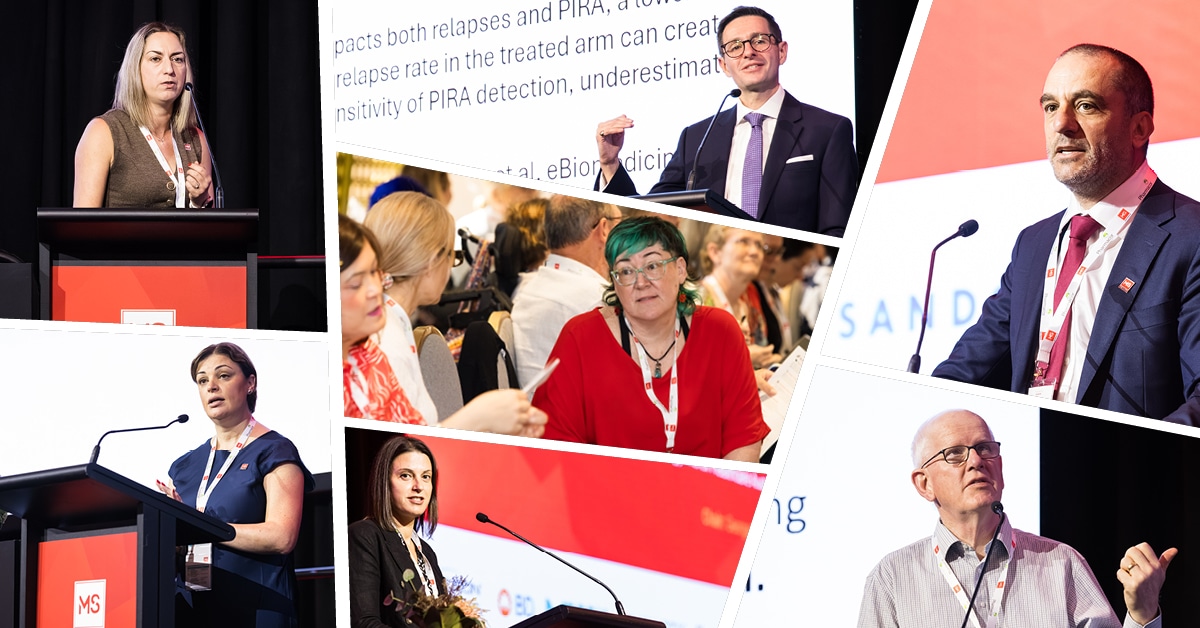
Celebrating its tenth year, MS Australia’s stellar Progress in MS Research Conference brought together the MS community, researchers and healthcare professionals to share the latest national and international research in MS.

MS Australia’s 2025 Research and Advocacy Priorities Survey has provided a comprehensive roadmap for shaping the future of research, advocacy, and engagement strategies.

People with relapsing remitting MS can now access injectable Ocrevus® (ocrelizumab) through the Pharmaceutical Benefits Scheme.

The report, Multiple Sclerosis Prevalence and Health Economic Impact in Australia 2025, commissioned by MS Australia and produced in collaboration with the Menzies Institute for Medical Research, University of Tasmania, reveals that a record 37,756 Australians are now living with the chronic neurological disease – a 13.3% increase in just three years since 2021.

CEO Rohan Greenland discusses the science and determination driving advances in causes, care, and cures at the upcoming 10th biennial Progress in MS Research Conference.