

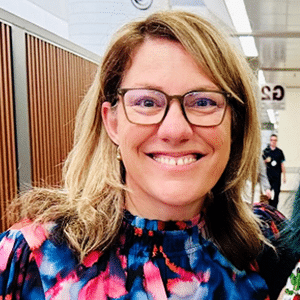
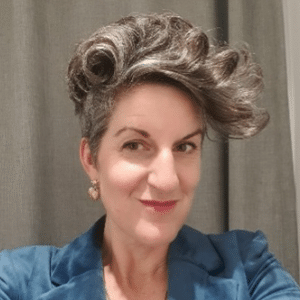

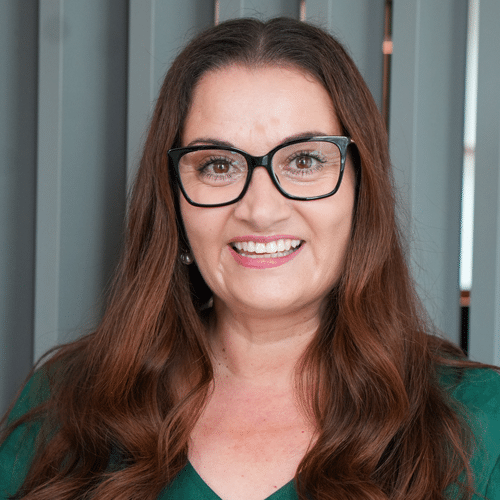


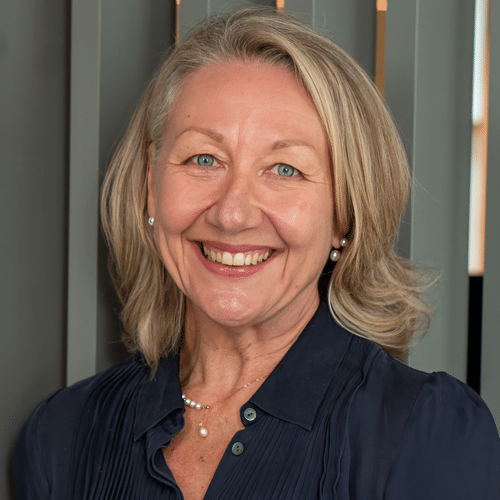
Welcome to the Foundations of MS Nursing Course. This is a five-part course, with each part including a video and written resource guide.

Be sure to read the overview document before you begin.

The glossary provides definitions for all the major terms discussed in the course.

Part 1

Wrapping your head around what MS means

40 mins

This section introduces the fundamentals of MS for nurses. You will build a clear understanding of what MS is, how demyelination disrupts nerve signalling, and why symptoms can be varied, fluctuating, and sometimes invisible. The module reviews MS prevalence in Australia and New Zealand, including key trends and patterns, and explores environmental, viral, and genetic risk factors—alongside the emerging concept of a prodromal phase. You will learn how MS phenotypes are described and how the topographical (‘swimming pool’) model explains relapse, progression, and the clinical–MRI paradox. Finally, the section outlines modern diagnostic pathways, common MS mimics, challenges to diagnosis, and support resources. 

Presented by

Susan Agland

Fiona d’Young

Part 2

The nuts & bolts of MS

56 mins

This section builds your practical understanding of MS nursing by focusing on what to do when a person reports new or worsening symptoms. You will learn how to gather a clear symptom history, recognise common symptom patterns, and understand how lesion location can influence presentation. The module explains key distinctions between relapse, pseudo relapse, progression, and symptoms unrelated to MS, and introduces structured tools such as OLD CARTS and a symptom assessment flowchart. You will also explore symptom management principles, the role of the multidisciplinary team, and important comorbidities such as urinary tract infections. 

Presented by

Imogen Milner

Sharon Barlow

Part 3

The rescue mission

48 mins

This session introduces key treatment approaches used in MS care and the MS Nurse’s role in supporting informed, person-centred decisions. You will explore how disease modifying drugs (DMDs) work, why different people may choose different options, and how to discuss benefits, risks, side effects, and monitoring in a way that matches each person’s values, lifestyle, and stage of the MS journey. The session also outlines the current landscape of therapies, including steroids for significant relapses, stem cell transplantation (AHSCT), and complementary approaches that may support wellbeing alongside medical treatment.

Presented by

Karina Dodd

Tim O’Maley

Part 4

Embedding empowerment

39 mins

In this part of the course, you will explore how MS nurses can embed empowerment into everyday care by focusing on what people with MS can influence. You will learn how modifiable lifestyle factors can support wellbeing and help patients feel more in control, and how the MS Brain Health approach broadens care beyond medications to include early action, close monitoring, and partnership with patients. The section also outlines practical strategies to support cognitive and mental wellbeing, manage comorbidities, and discuss evidence-based lifestyle recommendations that can be tailored to individual needs and circumstances.

Presented by

Dr Therese Burke

Belinda Bardsley

Part 5

The role and impact of MS Nurses

42 mins

This part of the course explores the role and impact of MS Nurses and why the position is central to high-quality MS care. You will look at how MS Nurses build long-term, trusted relationships, provide tailored education and psychosocial support, and support patients to recognise relapses and navigate treatment decisions. Through real case studies, you will see how timely access to MS nursing can change outcomes and reduce avoidable disability. The session also covers involvement in clinical trials, running effective MS clinics, career pathways, professional advocacy, and practical strategies for self-care to sustain your practice.

Presented by

Belinda Bardsley

Dr Therese Burke

Please complete the Feedback Form to receive a Certification of Completion

If you any queries about the course or you would like to ask further questions about the issues raised, please contact MS Australia at advocacy@msaustralia.org.au

IOMSN has reviewed this project that was developed by Therese Burke as a resource for MS Nurses. IOMSN has concluded that this project is fair balanced and accurate and is valid for educational purposes.
This resource was developed in partnership with MS Nurses Australasia, the peak body for MS nursing in Australia and New Zealand.

MS Australia would like to thank Dr Burke for her work in leading the development of this course. We would also like the thank all the MS Nurse presenters for contributing to the development of the course, giving up their time, and sharing their expertise.

Read More

Newsletter subscription

  • This field is for validation purposes and should be left unchanged.

Course