Multiple sclerosis (MS) is a disease that affects the myelin in the brain. Myelin is the fatty layer around neurons (nerve cells) that act like insulation on electrical wire and helps neurons send messages through the brain effectively.
Building and maintaining myelin requires lots of energy, and that makes it vulnerable to damage from inflammation and free radicals (unstable molecules that can affect healthy cells).
Copper is an essential metal that helps cells produce energy and antioxidants, which helps to maintain myelin health and protect cells from damage. When copper cannot properly enter the brain, myelin becomes damaged, suggesting it may play an important role in MS.
While the cause of MS isn’t known just yet, it is believed to involve both genetic and environmental risk factors. Among the greatest risk factors for MS is prior infection with Epstein-Barr virus (EBV). Another risk factor is vitamin D deficiency. Additionally, patients with MS are likely to have fewer ‘good bacteria’ in their gut, and more ‘bad bacteria’. This research project will test the hypothesis that these three environmental factors have something in common – they interact with copper.
There is new evidence that copper absorption depends on a healthy assortment of gut bacteria, and vitamin D helps incorporate copper into cellular antioxidants. Additionally, new evidence suggests that if copper is disrupted, myelin may ‘look like’ Epstein-Barr virus to the immune system resulting in the immune system attacking the myelin. Historically, this has been difficult to study, but due to new technical advances it is now possible to take images of copper in the brain.
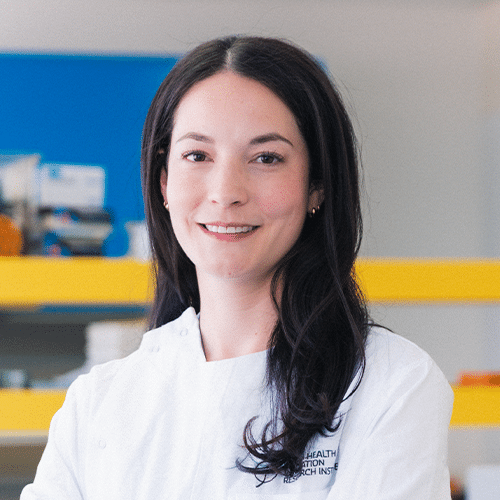
Dr Lins and her team aim to determine if copper is at the core of MS environmental risk factors, with hopes this will lead to new treatment and prevention strategies.
Laboratory research that investigates scientific theories behind the possible causes, disease progression, ways to diagnose and better treat MS.
Lab to clinic timeline
10+ years
Translational
Research
Research that builds on fundamental scientific research to develop new therapies, medical procedures or diagnostics and advances it closer to the clinic.
Lab to clinic timeline
5+ years
Clinical Studies and Clinical Trials
Clinical research is the culmination of fundamental and translational research turning those research discoveries into treatments and interventions for people with MS.