The number of people with overweight/obesity is increasing worldwide. This is accompanied by an increasing number of people with obesity-related chronic disease, including multiple sclerosis (MS). Overweight/obesity is associated with increased MS risk, disease activity, progression, and associated symptoms, and poorer treatment response to disease modifying therapies.
Diet is a risk factor for obesity, and potentially for MS, that people are empowered to change. Macronutrients are the carbohydrates, fats and proteins in food. Changing the macronutrient composition of a diet, particularly carbohydrate and fat, is at the core of the diets promoted for weight loss/management and for people with MS. Previous studies have investigated links between dietary macronutrient composition and MS risk and progression, with varied methods and findings. Most studies have focused on single macronutrients or a handful of dietary patterns where macronutrient composition is manipulated. But they have not considered the effects of all macronutrients together, which is a possible reason for the inconsistent conclusions of those studies.
The Geometric Framework for Nutrition (GFN) is a way of analysing diet that considers the effect of all the macronutrients together, including how they affect each other.
For example, it has shown that weight loss with low carbohydrate diets is partly due to reduced overall energy intake – not because of the reduced amount of carbohydrate per se, but because of increased protein proportion in the diet.
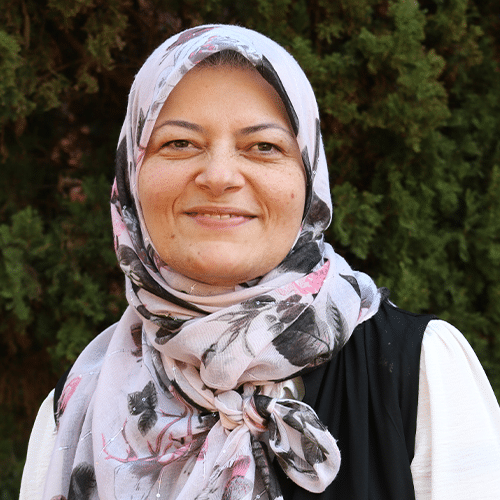
In this project, Dr Hajar Mazahery will apply the GFN to investigate the relationships between macronutrient intake, quality of macronutrients, total energy intake, overweight/obesity, and MS risk and progression. She and her team will use studies from four countries (Australia, United Kingdom, Brazil and Japan), representing individuals with various ethnic backgrounds. The project will produce high quality evidence to support the development of guidance on macronutrients for people with MS. The impact will be substantial, empowering people to make positive changes to their diet.