focus area: Better treatments
funding type: Project
project type: Investigator Led Research
Without treatment multiple sclerosis (MS) is commonly a disabling disease. Alemtuzumab (Lemtrada®) is a proven and approved therapy for MS which is highly effective but is associated with a 30-40% risk of developing other autoimmune diseases after treatment has been administered. Alemtuzumab is a therapeutic antibody that works in MS by temporarily removing circulating immune cells. Following alemtuzumab treatment, one type of immune cell, called B cells, is restored in the blood earlier than other immune cells. Normally, B cells are controlled by another immune cell called T cells. When B cells return after alemtuzumab treatment without the controlling effect of T cells, this is thought to contribute to the risk of developing another autoimmune disease (autoimmunity).
It has been suggested that another monoclonal antibody which targets B cells, called rituximab, might be effective in preventing autoimmunity after alemtuzumab. An early phase clinical study has suggested that adding rituximab at key time points during alemtuzumab treatment dramatically reduces the risk of developing autoimmunity.
The aim of this clinical trial is to determine if this therapeutic approach reduces the risk of autoimmunity following treatment of MS with alemtuzumab. Dramatically reducing or removing this risk would make treatment with alemtuzumab more appealing to both people with MS and their MS care team. The alemtuzumab treatment regime of two separate courses administered a year apart makes issues such as family planning and infusion time commitments much simpler when compared to some other MS therapies. It would also become one of the most cost-effective therapies for MS as only two brief courses of treatment are required for many patients.
The RAMBLE clinical trial, which explores the addition of rituximab to reduce autoimmune complications from alemtuzumab treatment in MS, is making good progress. Regulatory and ethics approvals have been secured, and four sites in Queensland – Gold Coast, Royal Brisbane, Mater Brisbane, and Townsville – have started screening and enrolment. To date, 21 potential participants have been assessed. Of these, 17 have been enrolled and 16 are currently active.
Data collection is nearly complete for 16 of the 17 participants at the current time point, and compliance with the protocol has been excellent. One participant is no longer attending follow-up visits.
No serious adverse events have been reported, and treatment appears safe and well tolerated. The level of B cells has been as expected in both arms of the trial – with lower B cell levels in those treated with alemtuzumab plus rituximab at key time points, compared to alemtuzumab alone. The trial has received approval to extend the follow up period to five years, to measure longer-term effects of the treatment participants.
Professor Broadley has secured additional funding through a Medical Research Future Fund (MRFF) grant for a new MS trial, STOP-MS, aiming to improve the lives of people with MS.
Updated 31 March 2026
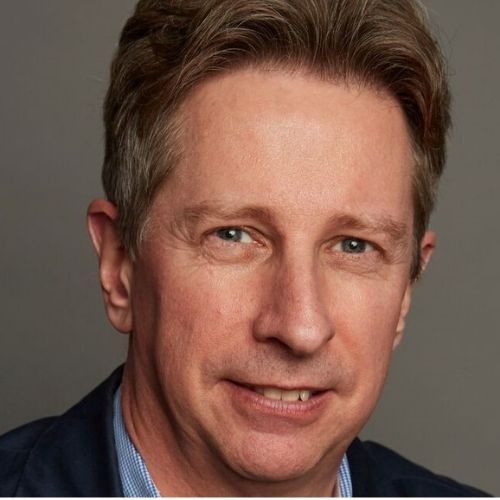
Professor Simon Broadley
$244,196
2022
3 years
Current project