focus area: A cure via repair and regeneration
funding type: Project
project type: Investigator Led Research
Chemotherapy with autologous haematopoietic stem cell transplantation (AHSCT) is occasionally being used to treat aggressive forms of multiple sclerosis (MS). The chemotherapy kills the immune cells that attack the brain and spinal cord in MS. Blood stem cells are then transplanted back to regrow a new immune system that is more tolerant.
However, it is unclear how effective AHSCT is compared to standard MS therapies.
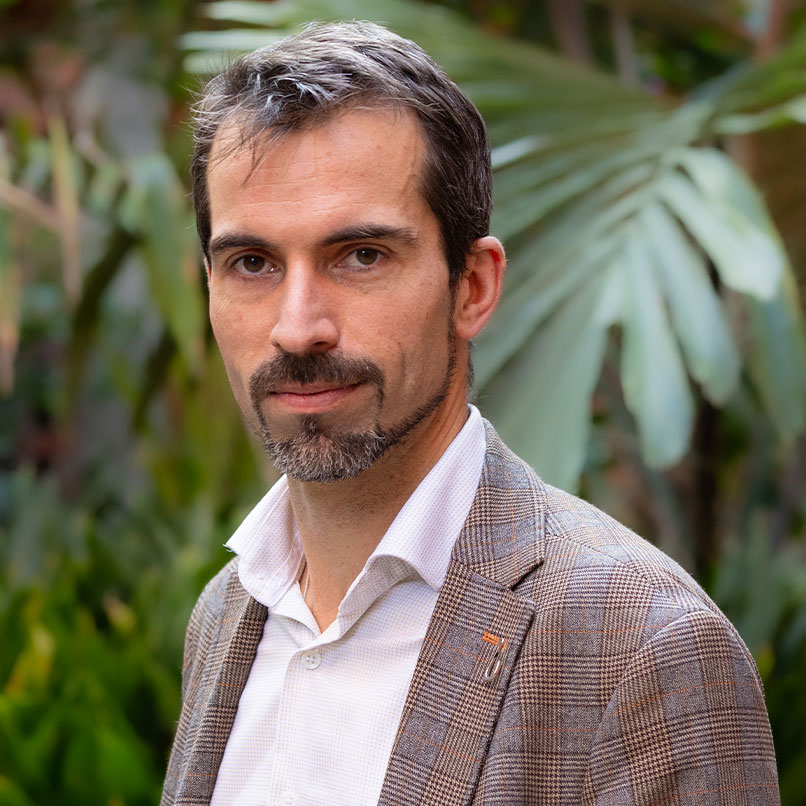
In this project, Professor Tomas Kalincik used one of the largest international datasets to compare the effectiveness of stem cell transplantation with the most effective MS therapies.
The project compared treatment outcomes between AHSCT and B-cell depleting therapies (ocrelizumab, rituximab) as well as treatments that can ‘reset’ the immune system (immune reconstitution therapies) such as cladribine and alemtuzumab.
The team also explored individual factors that determine the response to AHSCT.
Finally, they compared outcomes of different AHSCT “conditioning regimens” (chemotherapy mixes).
This knowledge will allow for informed use of stem cell transplantation in the treatment of MS.
Professor Tomas Kalincik established the RESCUE-MS international collaboration, bringing together data from seven AHSCT MS centres across Melbourne, Sydney, Prague, Uppsala, Sheffield, and Ottawa, along with the MSBase registry. This enabled one of the largest international comparisons of stem cell transplantation with highly effective MS therapies.
Overall, the findings show that AHSCT can be one of the most effective treatment options for people with highly active relapsing-remitting MS, but its benefits vary depending on disease type and the characteristics of people being treated.
Comparison studies found that AHSCT is significantly more effective than fingolimod and also outperforms natalizumab in treating relapsing-remitting MS.
In contrast, AHSCT was not more effective than natalizumab in progressive MS, indicating that it is unlikely to benefit people with progressive disease who experience few or no relapses.
Compared to other immune reconstitution therapies, AHSCT was considerably more effective than cladribine and slightly more effective than alemtuzumab in reducing relapses and supporting recovery from disability in relapsing MS.
The team is also examining how different conditioning regimens influence outcomes. The initial results suggest that the most intensive chemotherapy approaches provide better control of relapses.
In addition, the team also identified key factors that influence treatment response, including disease course, disability level, and relapse activity. These insights will help guide more personalised treatment decisions, ensuring that AHSCT is targeted to the people most likely to benefit.
These findings have been presented at international conferences, including the European Committee for Treatment and Research in Multiple Sclerosis (ECTRIMS), and published in leading journals such as JAMA Neurology and the Journal of Neurology, Neurosurgery & Psychiatry.
This research provides some of the strongest evidence to date where AHSCT should be used in MS treatment. It supports more informed decision-making and helps ensure that this intensive therapy is used appropriately, maximising benefit while avoiding unnecessary risk for people with MS.
Professor Kalincik has been awarded an NHMRC Investigator Grant to expand this work. He and the RESCUE-MS group will continue to investigate how AHSCT can be used most effectively in the treatment of MS.
Updated 31 March 2026
$250,000
2023
3 years
Past project