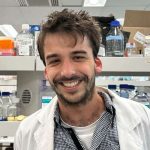
Multiple sclerosis (MS) is characterised by inflammation, loss of the myelin coating that protects the nerves (demyelination), and nerve cell damage (neurodegeneration) in the brain and spinal cord. Currently, no treatment specifically reduces or reverses nerve-related disability in MS, and there is an urgent need for this. This project explores a potential new therapy to repair nerves using T-regulatory cells (Tregs), a type of immune cell.
Tregs help to regulate and dampen down inflammation in the body. Early studies in laboratory models suggest that Tregs may also promote nerve repair, but whether this happens in humans in MS is not known. If Tregs help promote nerve repair, there might be ways to use them to treat MS.
Dr Malini Visweswaran and the team have expertise in studying immune cells during an MS treatment called autologous haematopoietic stem cell transplantation that can bring long-term remission for some people with MS. In this therapy, blood stem cells are taken from the body, the person is treated with chemotherapy to kill immune cells that are mistakenly attacking the myelin, and the stem cells are returned to the body to help regrow a new healthy immune system.
Dr Visweswaran has previously shown that the presence of Tregs in the stem cell transplant helps to promote remission of MS.
In this project, Dr Visweswaran will explore whether Tregs from a person’s own stem cell transplant can promote nerve repair.
She will also test whether Tregs from people who do not have MS might be more effective at repairing nerves.
Progress
Good progress has been made in establishing the methods needed to study these immune cells and their role in nerve repair.
Thus far, Dr Visweswaran has developed ways to isolate Tregs from a person’s stem cell transplant and grow them successfully in the laboratory.
She has shown these cells maintain their key features in the laboratory and has begun analysing the substances they produce to understand how they might affect nerve repair.
In parallel, the team has refined ways to grow myelin-producing cells in the laboratory and developed techniques to measure how well these cells mature and produce myelin.
The next step is to grow these Tregs alongside myelin-producing cells to see if they can promote myelin repair.
The team will also compare Tregs from people with and without MS to see which are more effective in supporting myelin production and nerve repair.
This research could pave the way for new treatments targeting nerve repair to reduce disability in people with MS.
This project has been extended to the end of 2026.
Laboratory research that investigates scientific theories behind the possible causes, disease progression, ways to diagnose and better treat MS.
Lab to clinic timeline
10+ years
Translational
Research
Research that builds on fundamental scientific research to develop new therapies, medical procedures or diagnostics and advances it closer to the clinic.
Lab to clinic timeline
5+ years
Clinical Studies and Clinical Trials
Clinical research is the culmination of fundamental and translational research turning those research discoveries into treatments and interventions for people with MS.