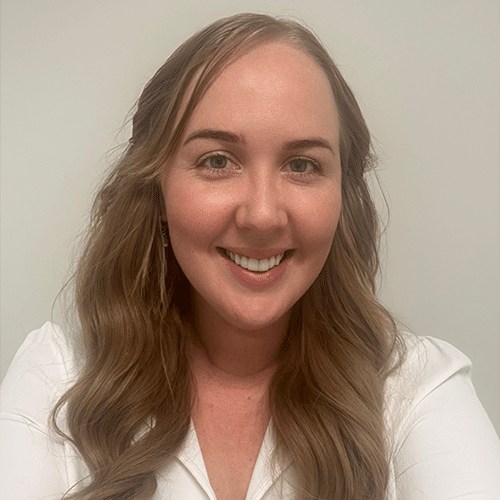
Dr Jessica Redmond

Monash University, VIC

Monash University researcher Dr Jessica Redmond is examining how biological ageing and menopause affect symptoms, disability, cognition, and quality of life in women with MS. Observing the impact of MS on a family member inspired Dr Redmond to contribute to improving outcomes for people with MS. She enjoys that her research directly connects with the patients she sees in practice as a neurologist.

About Dr Jessica Redmond

Tell us about your current research project
Multiple sclerosis is a chronic neurological disease that often worsens with age. As the median age of people living with MS increases, understanding how ageing processes influence disease outcomes has become increasingly important. This research examines how biological ageing and menopause affect symptoms, disability, cognition, and quality of life in women with MS. Using detailed clinical, imaging, and biomarker data, it will investigate how menopause symptoms overlap with MS symptom burden, and whether retinal imaging measures of biological age are associated with disease progression and cognitive change. These findings aim to clarify how ageing mechanisms contribute to MS outcomes and inform strategies to improve the management of midlife transitions in women with MS.
Why is your research important and how will it influence the understanding and treatment of MS?
MS disproportionately affects women, many of whom experience the disease during key midlife transitions such as menopause. Despite this, menopause remains under-researched in MS, and its impact on symptoms, cognition, and disability progression is poorly understood.

This project will be the first large-scale Australian study to explore menopause and biological ageing in women with MS, comparing them to age-matched peers from the general population. In parallel, we are assessing whether retinal imaging can serve as a non-invasive biomarker of biological ageing and disease progression.

Together, these insights could transform how we understand midlife in MS, improve symptom management, and lay the groundwork for new treatment strategies that target ageing-related mechanisms in progressive disease.

What inspired you to get involved in MS research?
My interest in MS research developed through both personal and professional experiences. Growing up, I saw firsthand the impact of MS on my grandmother and our family, which instilled a lasting motivation to contribute to improving outcomes for people living with this condition.

Later, during my neurology training, I was inspired by how rapidly the field is evolving yet also struck by the many unanswered questions we encounter in clinic. I am driven to help address these gaps, particularly around women’s health, ageing, and disease progression, so that our research can directly inform patient care and quality of life.
What do you think has been the most exciting development in MS research?
It’s difficult to choose just one, as the past decade has seen remarkable advances. I’m particularly excited by the increasingly patient-centred approach in MS research, one that recognises the diversity of lived experiences and prioritises outcomes that matter most to people with MS and is investigating under-researched populations such as women and older adults.

The expansion of highly effective therapies has transformed the management of relapsing MS and hopefully soon progressive MS also. Together, these developments are broadening our understanding of MS beyond inflammation alone, opening new pathways to address neurodegeneration, ageing, and long-term quality of life.
What do you enjoy most about your research, and what are some of the challenges you face?
I am writing this as I begin my PhD and research career having just completed my registrar training in neurology, and I know my answer will evolve over time. So far, what I enjoy most is that the research directly connects with the patients I see in practice.

Being able to translate research findings into meaningful conversations in the clinic is incredibly rewarding. The greatest challenge has been balancing research with the demands of medical training, finding time for both has not always been easy. I’m excited that, with the support of MS Australia, I can now dedicate my time to research and make a tangible contribution to improving care for people with MS.
Tell us an interesting fact about yourself
Before calling Melbourne home, I grew up on the sunny Central Coast and studied in the beautiful city of Newcastle. I feel very lucky to have trained in places that are not only coastal paradises but also world leaders in MS research. As you may have guessed, when I am not working, you'll probably find me at the beach.
Read More

Newsletter subscription

  • This field is for validation purposes and should be left unchanged.

Jessica Redmond