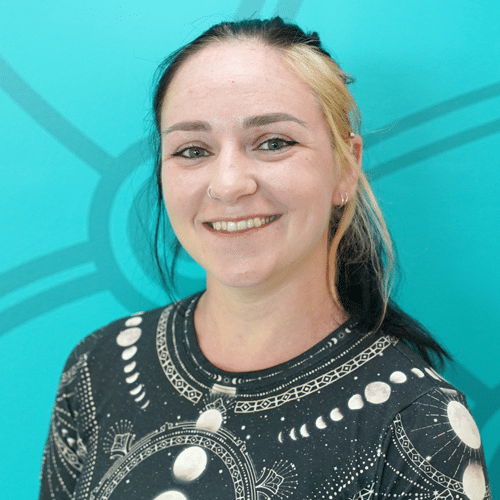
Dr Kimberley Parkin

The Kids Research Institute Australia, WA

Dr Kimberley Parkin from The Kids Research Institute is looking at the link between small molecules called short-chain fatty acids (SCFAs) and MS. By understanding how SCFAs affect immune cells, Dr Parkin and her team hope to uncover new pathways that could be targeted to restore immune regulation in MS. With a lifelong love for science, she finds it very rewarding that her team’s research could help improve quality of life for people living with MS.

About Dr Kimberley Parkin

Tell us about your current research project
My research focuses on how small molecules called short-chain fatty acids (SCFAs), which are produced when gut bacteria break down dietary fibre, are involved in MS. These SCFAs can enter the bloodstream and influence how immune cells function. By studying how SCFAs affect immune balance in people with MS, we hope to uncover new ways to support immune regulation through the gut.
Why is your research important and how will it influence the understanding and treatment of MS?
By understanding how short-chain fatty acids affect immune cells, we hope to uncover new pathways that could be targeted to restore immune regulation. This knowledge could inform future therapies that complement existing MS treatments by using safe, low-cost, diet-related approaches to support long-term immune health.

What inspired you to get involved in MS research?
Ever since I was a child, I’ve had a love for science and always wanted to work in a laboratory. My PhD research explored how the gut microbiome influences our health, and during my postdoctoral work I developed a fascination with the immune system. I was inspired to bring these areas together to better understand how gut microbes and their by-products influence immune function in MS.
What do you think has been the most exciting development in MS research?
One of the most exciting developments in MS research is that technology now allows us to study the immune system cell by cell. By looking at individual immune cells in detail, researchers have been able to understand the processes driving MS and develop more effective treatments, bringing us closer to truly personalised therapies for people living with MS.
What do you enjoy most about your research, and what are some of the challenges you face?
I find it really rewarding knowing that our research could help improve quality of life for people with MS. The biggest challenges are that the work can be complex and slow, and it takes patience to turn these detailed findings into therapies that actually make a difference. But the possibility of helping people live better lives makes it all worthwhile.
Tell us an interesting fact about yourself
An interesting fact about me is that I have pet hermit crabs! They each have their own personalities, and I love watching them explore, climb, and swap shells. I even have a camera set up so I can check in on them while I'm at work.
Read More

Newsletter subscription

  • This field is for validation purposes and should be left unchanged.

Kimberley Parkin