Is AHSCT an effective treatment for progressive MS?
MS Australia-supported researchers found autologous haematopoietic stem cell transplantation (AHSCT) has no advantages over natalizumab in treating progressive MS.
MS Australia-supported researchers found autologous haematopoietic stem cell transplantation (AHSCT) has no advantages over natalizumab in treating progressive MS.

A new study has revealed that an MS risk gene changes how the immune system responds to EBV, linking these two major risk factors.
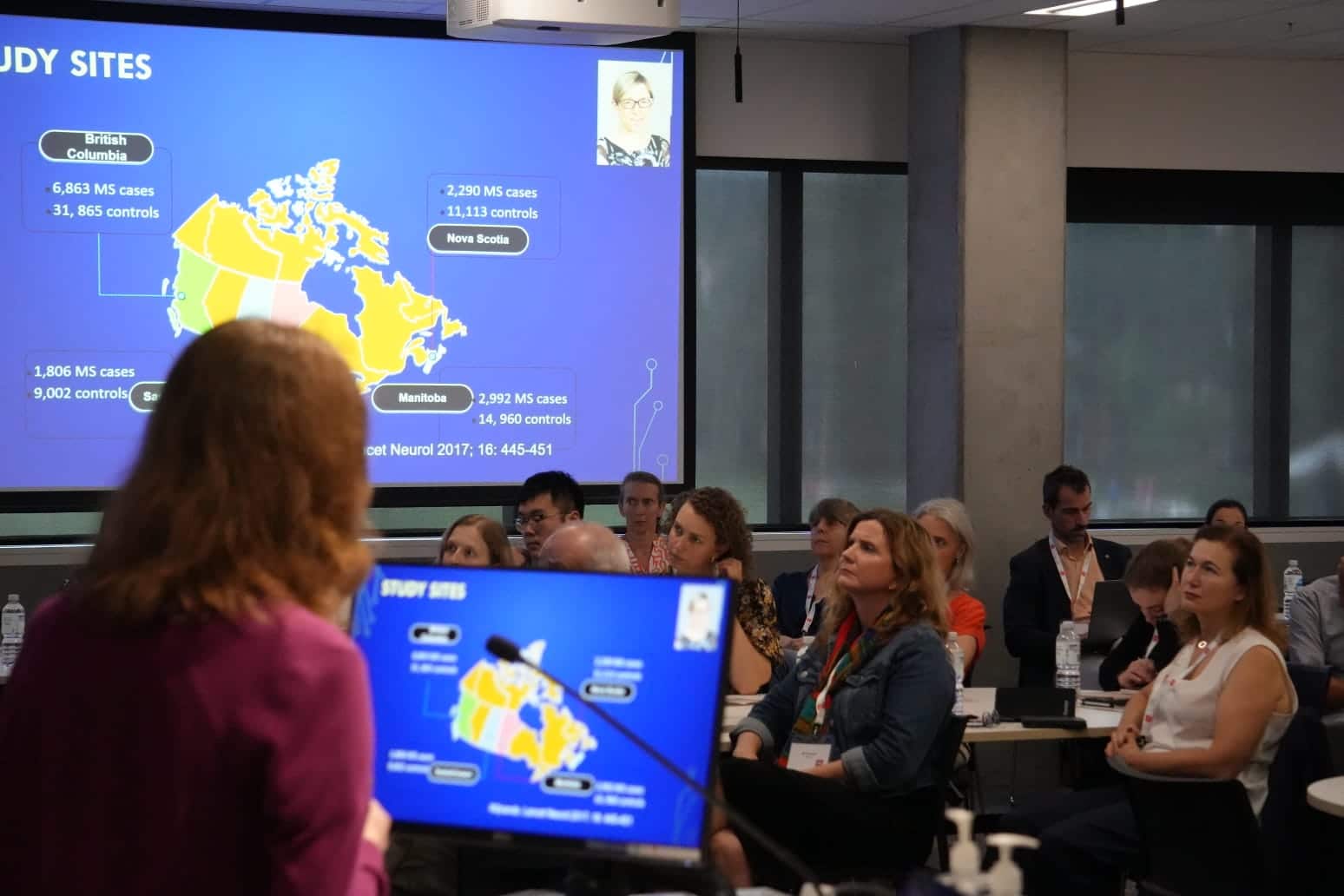
The Frontiers in MS Research Symposium showcased cutting-edge advancements in MS prevention, care, and management, fostering collaboration among experts, healthcare professionals, and the MS community to drive meaningful progress and innovation.

MS Australia is bringing together the nation’s top researchers to unlock the complex link between EBV) and MS; with the potential to revolutionise how we treat, prevent, and ultimately cure MS.
CEO Rohan Greenland reflects on the year’s major developments propelling us towards our key goals – world-leading research, vigorous advocacy, placing lived experience at the heart of all we do, and improving understanding of MS.

A new study highlights the unique housing and support needs of Australians living with MS, offering insights to improve independence and quality of life.
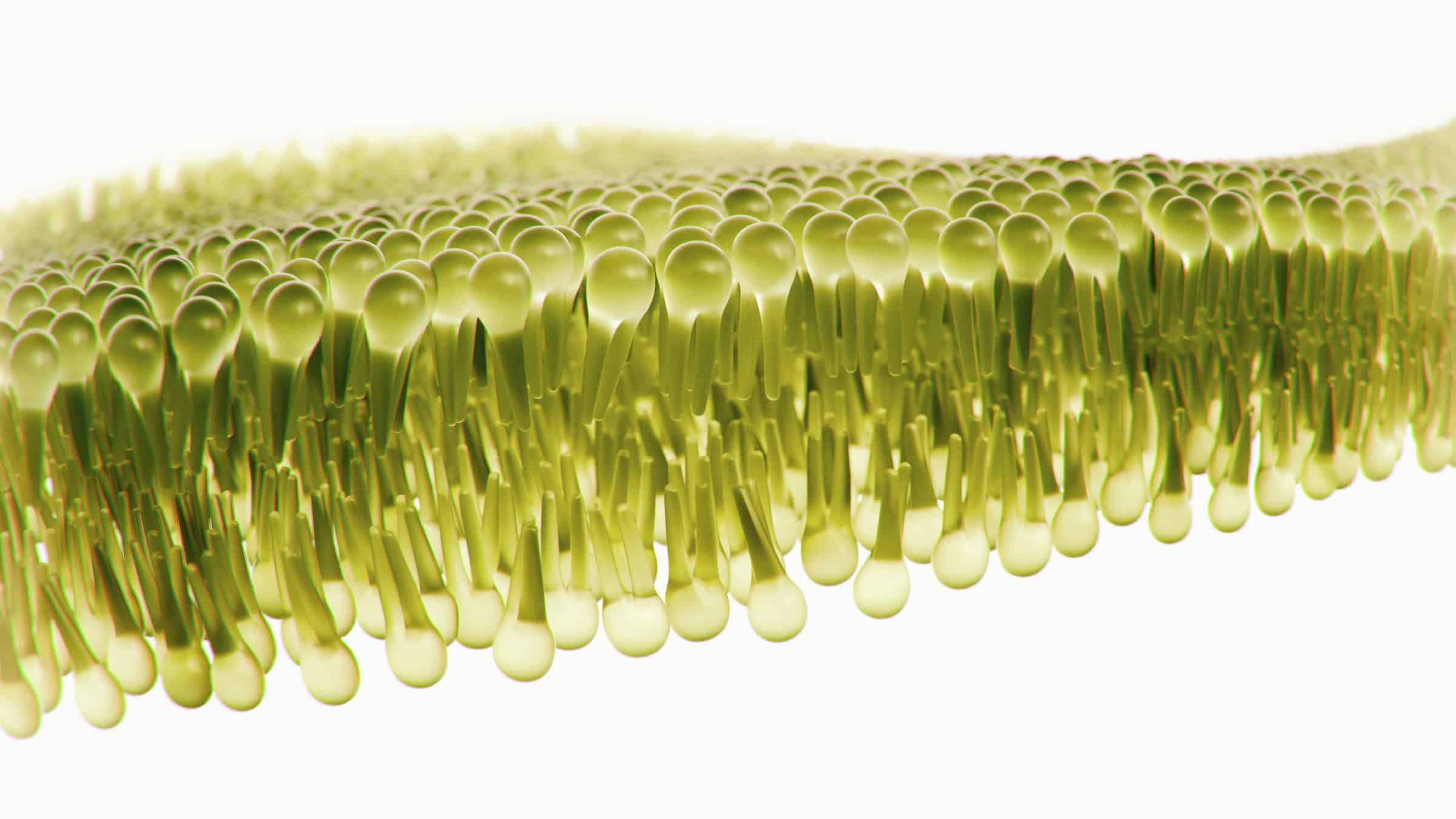
Researchers have found lipids (fats) in cerebrospinal fluid that may help distinguish between NMOSD and MS, as well as track disease progression and treatment effectiveness in MS.

New study reveals the 16 evidence-based recommendations to improve quality of life and manage complex disease.

People living with MS and healthcare professionals developed lifestyle recommendations to support brain health in MS, along with strategies to help people make these changes