focus area: Better treatments
funding type: Scholarship
project type: Investigator Led Research
People diagnosed with MS commonly search online for dietary advice to manage their symptoms and/or control their disease. However, this advice may be unreliable or contradictory and ‘MS diets’ promoted online may be restrictive and not aligned with national dietary guidelines. This is concerning, given people living with MS are at increased risk of malnutrition due to symptoms such as difficulty swallowing and fatigue.
The problem is made worse by a mismatch between people living with MS, who would like specific dietary guidelines for MS, and healthcare professionals, who are aware of national dietary guidelines but may not have conversations about diet at the time of diagnosis.
Currently, there are no known tools that compare ‘MS diets’ with Australian dietary guidelines, and no studies have explored how sticking to dietary guidelines affects MS health outcomes in Australians living with MS.
Previous research has investigated online dietary advice for MS but an update is needed, given the changing nature of internet content and as search tools advance from traditional search engines to AI-based searches.
This research aims to see whether online dietary advice for MS promotes adherence to the Australian Dietary Guidelines; and explores associations between adhering to the Dietary Guidelines and health outcomes in MS. Given the variation in national dietary guidelines between countries and a requirement to analyse dietary intake data according to regional guidelines, this research is undertaken in the context of Australian observational data and Australian dietary guidelines. The research also aims to provide people with MS with a tool to help make informed dietary decisions.
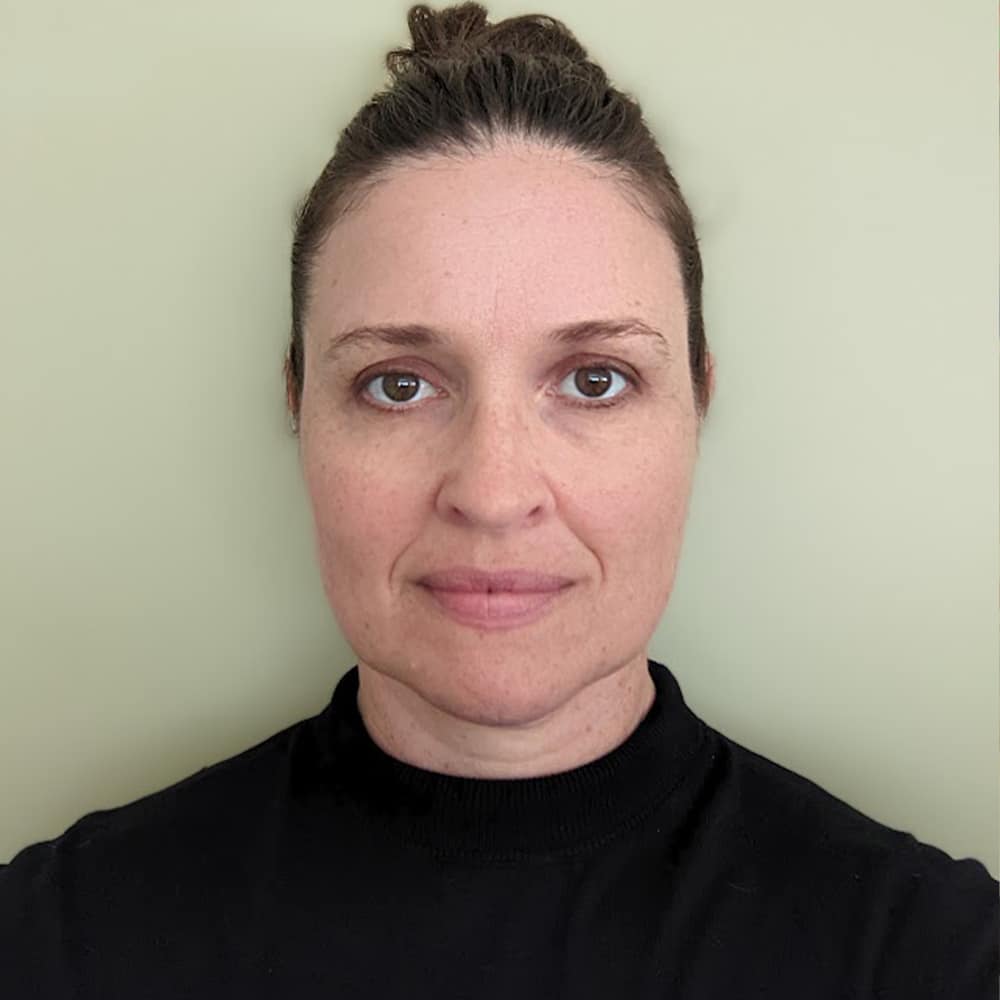
Over the past four years, Ms Zoszak explored the role of diet in MS.
Starting from the perspective of a person living with MS, Ms Zoszak conducted an online search for dietary advice for MS, finding 17 diets or eating patterns online. She compared these with the dietary guidelines of Australia and four other countries to see how closely they aligned.
People with MS can be vulnerable to malnutrition. A clinical dietitian’s role is to recommend eating patterns based on evidence, such as the Australian Dietary Guidelines, but also to support consumers if they choose to follow alternative diets. This means supporting clients to achieve adequate nutrition if an alternative eating pattern excludes certain foods. Ms Zoszak’s findings will assist people with MS and clinicians by increasing awareness of popular “MS diets” and showing where nutritional support may be needed. It will also inform future research into diets that are most relevant to people with MS.
Ms Zoszak developed three tools to measure how closely people stick to the Australian Dietary Guidelines and to two other popular diets for MS. She found that, like the general population, Australians living with MS did not stick closely to the Australian Dietary Guidelines and stuck to them even less over time. She also looked at how diet related to a variety of health outcomes, but there was no clear relationship. Increasing evidence shows MS outcomes can be worse if metabolic health problems (obesity, diabetes, high cholesterol, high blood pressure) are also present. Dietary therapies form part of the treatment for these conditions, adding to the role of nutrition in MS outcomes.
The dietary tools Ms Zoszak developed will also help to increase the evidence for dietary guidelines and other eating patterns in MS and can be applied to dietary data by other research teams in future studies.
Ms Zoszak has submitted a paper to a scientific journal and is currently preparing another four scientific manuscripts. She also aims to complete and submit her PhD thesis based on this project this year.
Last updated 31 March 2026
Associate Professor Yasmine Probst
Professor Marijka Batterham
Dr Steve Simpson-Yap
$70,000
2024
2 years
Past project