Multiple sclerosis (MS) affects almost 38,000 Australians. In MS, myelin, a substance that insulates and protects nerves in the brain and spinal cord is attacked, leading to damage to brain cells and disability.
Repairing the damage to the myelin (remyelination) protects brain cells from further damage. The cells that produce myelin are called oligodendrocytes. While current treatments can reduce relapses in MS, they may not necessarily prevent long-term damage and do not work in all people living with MS. New treatments that protect and repair the brain are desperately needed.
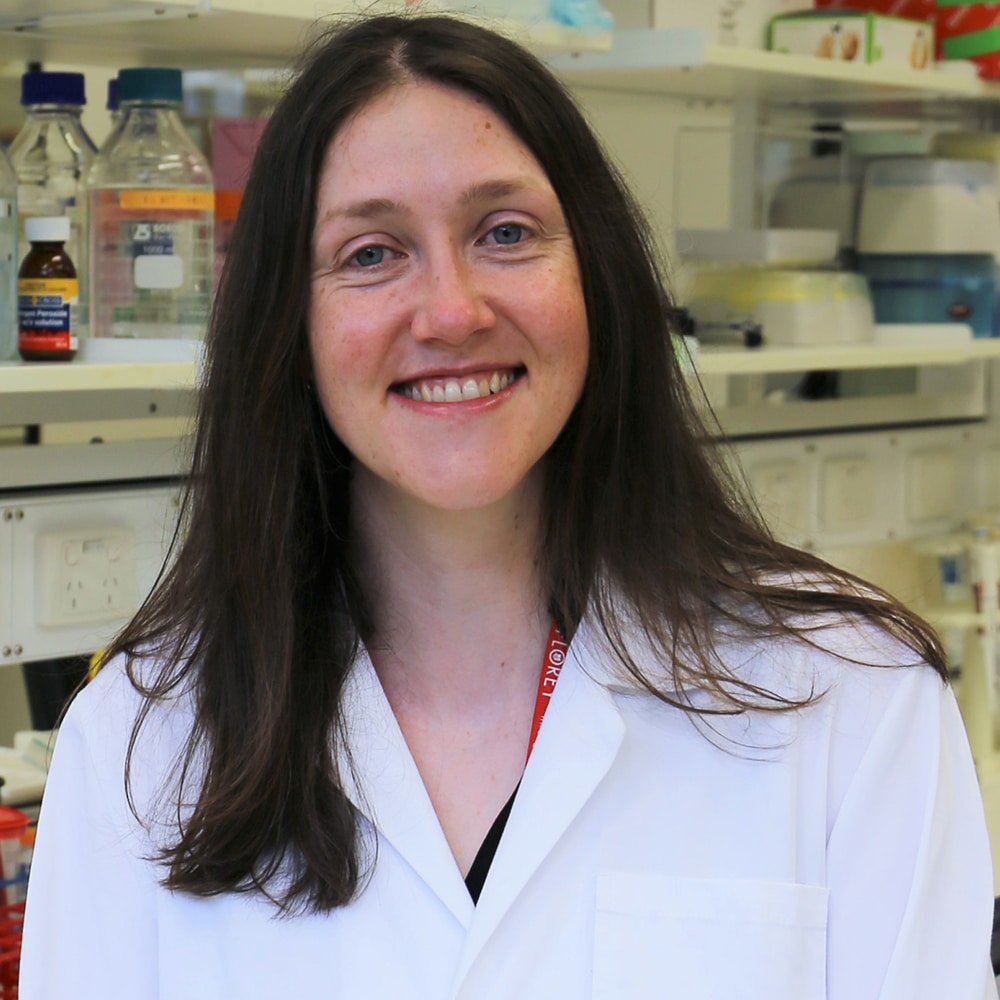
Dr Sarrabeth Stone and her team are investigating microglia, a type of caretaker brain cell that can promote myelin repair. Microglia are an excellent target for the development of new treatments for MS. This project focuses on understanding how microRNA, a type of molecular control switch, can be used to direct microglia to repair myelin effectively.
This research will open new avenues to new therapies that promote repair and regeneration in the brain and spinal cord of people living with MS.
Progress
Dr Stone and her team have been studying how microRNA alter the way microglia behave, to identify microRNA that strongly promote remyelination. They have found a microRNA that controls the removal of damaged myelin by microglia, which supports myelin repair. Microglia that have increased levels of this microRNA also support oligodendrocytes to produce more myelin. Together, these findings strongly highlight the potential properties of this microRNA to repair myelin. This research will open avenues to new and innovative therapies that promote repair and regeneration in the brain and spinal cord of people with MS. A treatment that promotes myelin repair may help reduce disability and improve health outcomes for people with MS.
Dr Stone and her team are preparing a paper for publication in a peer reviewed journal. Over the next 12 months, they will perform experiments to determine to what extent the identified microRNA promotes myelin production and remyelination in laboratory models of MS. They will also study how microglia take up microRNA that has been loaded into extracellular vesicles (sub-cellular packages that carry messages or materials to other cells).
Laboratory research that investigates scientific theories behind the possible causes, disease progression, ways to diagnose and better treat MS.
Lab to clinic timeline
10+ years
Translational
Research
Research that builds on fundamental scientific research to develop new therapies, medical procedures or diagnostics and advances it closer to the clinic.
Lab to clinic timeline
5+ years
Clinical Studies and Clinical Trials
Clinical research is the culmination of fundamental and translational research turning those research discoveries into treatments and interventions for people with MS.