focus area: Better treatments
funding type: Fellowship
project type: Investigator Led Research
Healthy eating is a modifiable element of lifestyle that has the potential to improve symptoms and disease progression for people with MS. When people are first diagnosed with MS, they often change their food habits as a method of taking control of their disease. The information related to healthy eating for MS is inconsistent, with many fad diets being developed and promoted without appropriate support. When visiting their healthcare team, the topic of nutrition is rarely discussed. People with MS want to know what they should be eating to take control of their disease safely.
This research will target researchers who run studies that health professionals use as evidence. By ensuring that the tools used to target nutrition in studies are accurate and by guiding health professionals about the impact of nutrition for MS, we will begin to grow a more consistent flow of information to people with MS.
Studies in MS are heavily focused on single nutrients when food and patterns of eating should be targeted. This research will focus on food by creating a toolkit for health professionals and decision support tools using artificial intelligence so that people with MS can make decisions related to their eating based upon their individual circumstances.
The tools that are developed in this research program will be tested with health professionals and people with MS through two randomised trials that will provide additional support and guidance toward the importance of nutrition in the management of MS.
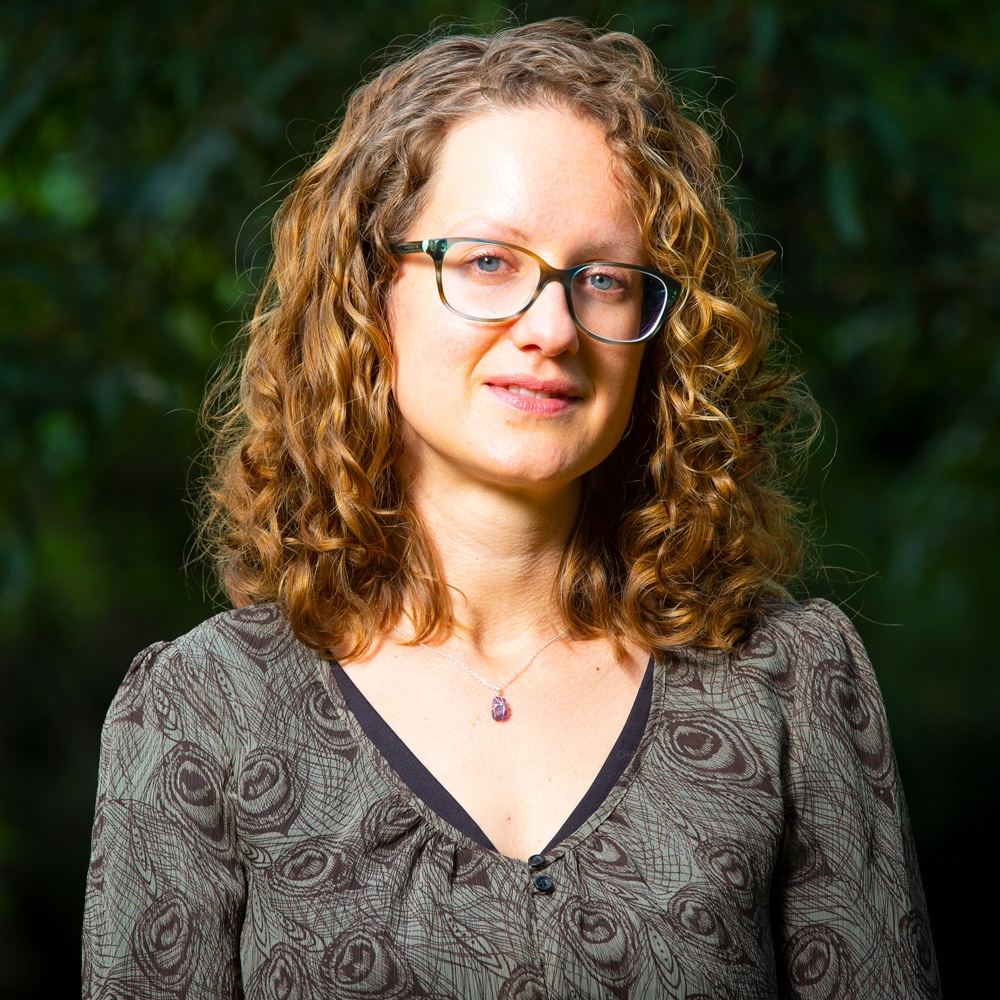
Over the course of this fellowship, Professor Yasmine Probst and the research team have expanded understanding of the role of nutrition and other lifestyle factors in MS.
Professor Yasmine Probst and her team have led a major shift in how lifestyle management, particularly nutrition, is recognised in MS care. What began as a small research group has grown into a multidisciplinary team with national and international collaborations, including with the UK, Germany, and the Consortium for MS Care (CMSC) in the USA.
Early work by the team identified that much of the online dietary advice for people with MS was unreliable or unsafe. In response, they developed tools to assess diet quality, reviewed intervention strategies, and created a catalogue of over 5,700 food items to support a new dietary risk assessment tailored to MS. Their research also confirmed that many MS-promoted diets are not aligned with national nutrition guidelines.
Over time, the team broadened their focus to include other lifestyle factors like sleep and social connection. These insights shaped consensus guidelines and behaviour change strategies to support people living with MS, and also led to the development of a co-designed online portal and toolkit. This portal and toolkit are now being used in the HALT-MS clinical trial, supported by MS Australia.
In recognition of their impact, the team successfully secured additional funding through an MS Australia Project Grant to continue this work.
Updated 31 March 2026
$390,000
2022
3 years
Past project