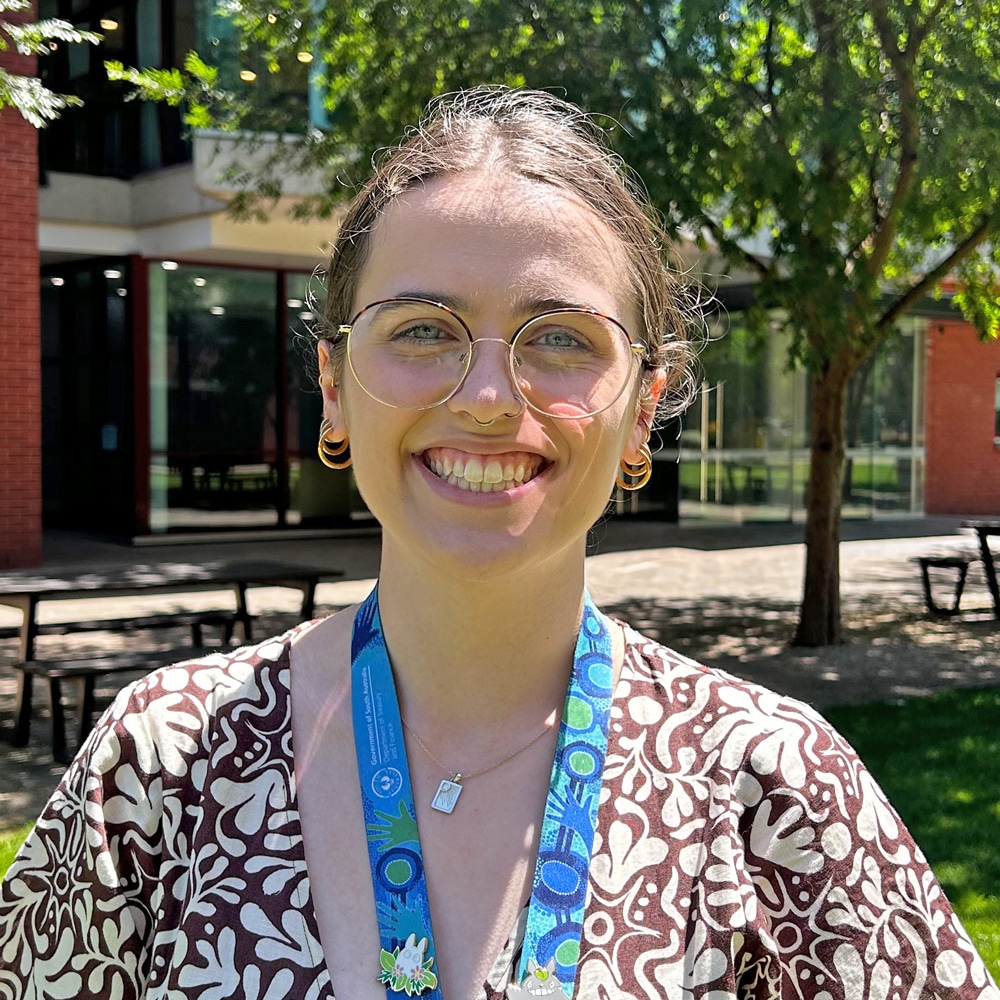
Multiple sclerosis (MS) can damage the spinal cord. This damage is strongly linked to physical disability and disease progression. However, current magnetic resonance imaging (MRI) scans are not sensitive enough to reliably detect small changes in the spinal cord over time. This makes it harder for doctors to accurately monitor disease activity and progression. Dr Koren says people with MS often express frustration that their MS is worsening but there is no clear evidence of this on their MRI scan. This project aims to improve how spinal cord damage is detected and measured in people with MS.
Dr Tal Koren will analyse existing MRI scans from people with MS who have had spinal cord imaging over several years. He will measure areas of damage and changes in spinal cord size over time. These scans will be used to develop and train an artificial intelligence (AI) model that can automatically detect and track spinal cord damage across multiple timepoints.
He will then recruit adults with MS who are already undergoing routine MRI scans. In addition to the standard scans, participants will receive a newer, high-resolution 3D MRI scan of the spinal cord. He will compare the standard scans with the 3D scans to determine whether the new method can detect more lesions or more subtle changes, and to test the AI model. He will also examine how these imaging findings relate to clinical disability.
Overall, this study aims to develop more accurate and automated ways for tracking spinal cord damage in MS, which could improve how disease progression is monitored over time. More sensitive tools also help decide whether treatment is working effectively or should be revisited.
Multiple sclerosis (MS) is a condition that affects the brain and spinal cord. As people with MS live longer, it is important to understand how ageing affects the course of the disease. Women with MS face particular challenges during midlife and menopause, but this has not been well studied.
Dr Jessica Redmond will explore how ageing and menopause affect symptoms, thinking and memory, and quality of life in people with MS. She and her team will use two studies to investigate this:
Dr Redmond hopes to find patterns that show who is more likely to have worsening symptoms over time. This could help doctors better support women with MS during key stages of life, such as menopause. These patterns may also point to new ways of predicting and managing disease progression. The overall goal is to improve care and outcomes for people with MS as they get older.
People with MS have helped design this research, making sure it focuses on real-world concerns such as fatigue, memory problems, and everyday function.
Multiple sclerosis (MS) is an inflammatory condition of the central nervous system (CNS) that develops due to both genetic and environmental factors. Amongst the known environmental risk factors is infection with the Epstein-Barr virus (EBV) and other herpesviruses. EBV is a common herpesvirus that affects up to 90% of people worldwide and is the virus that causes infectious mononucleosis (glandular fever).
EBV has been strongly linked to the development of MS and is thought to play a role in how the disease progresses over time. However, even though these connections are known, the biological mechanisms behind this link are not fully understood.
To better understand this link, the project will use data from three large Australian studies: the Ausimmune Study, Ausimmune Longitudinal Study, and PrevANZ trial. This includes blood tests of genetics; which genes are switched on and off in the blood cells; and immune responses - to both herpesviruses and brain proteins (autoimmune responses).
This project aims to examine:
Mr Eisner and his research team aim to better understand the impact of EBV on MS onset and progression, with the goal of helping to tailor treatments to each individual person to slow the disease progression.
Effective treatment for progression of disability in multiple sclerosis (MS) remains an urgent unmet need. Developing an effective approach to treating progression is complex, as people with MS respond differently to different therapies. Also, progression in early MS is subtle yet contributes to long-term disability. Progression may be driven by inflammation and nerve degeneration, which are different disease mechanisms that may require different treatment methods.
To treat progression, it is essential to have accurate markers for it. However conventional measures of disease activity, such as relapses, disability and brain imaging, may not detect subtle progression and they do not identify the underlying drivers of progression.
Neurofilament light chain (NfL) and glial fibrillary acidic protein (GFAP) are components of damaged nerve fibres and supporting brain cells, respectively. They are sometimes seen at higher levels in the blood in people with neurological diseases. They reflect nerve degeneration and brain inflammation, respectively, and hold promise for monitoring disease and guiding treatment.
In this project, Dr Winston Dzau will be investigating whether:
Dr Dzau and his team expect this project will help support personalised treatment decisions, using these blood markers that can identify subtle signs of disease progression. The project will help refine the classification of MS based on individual drivers of progression. This will be an important step towards effectively treating the underlying mechanisms of disease progression.
In multiple sclerosis (MS), the immune system mistakenly attacks myelin, a protective coating around nerves in the brain and spinal cord. Myelin helps these nerves send signals quickly and efficiently.
When myelin is damaged, nerve signals are disrupted. This can lead to a range of symptoms, including trouble walking, bladder issues, fatigue, and difficulties with thinking or memory.
In the early stages of MS, some natural myelin repair can occur. But over time, this process fails, leading to permanent nerve damage and progressive disability, even when inflammation is well controlled. There is an urgent need to develop treatments that enhance myelin repair in people living with MS – identified as a top research priority in MS Australia’s Research and Advocacy Priorities Survey.
Ms Bethany Nicol’s research aims to uncover how myelin is made in the brain, and how this process can be switched back on after damage. She will study a molecule called Akt, which is known to help myelin-forming cells grow and function.
Using models, she can watch these cells live under a microscope and see when and where Akt is active. She will also test how activating Akt at different stages of cell development affects myelin growth and identify the key molecules it controls.
The goal of this research is to find new, specific targets for future drug development. This knowledge could support the development of therapies that help the brain repair itself and improve outcomes for people with MS.
Myelin is a protective, fatty layer that surrounds nerve cells and supports their function. In MS, myelin is damaged, and the cells responsible for making it, called oligodendrocytes, decrease in both number and effectiveness. A promising approach to treating MS is to encourage the regrowth of myelin (remyelination), by stimulating immature cells, known as oligodendrocyte precursor cells, to develop into mature oligodendrocytes that can regenerate this protective layer.
Mr Jack McDonald’s research focused on a protein called GPR17, which acts like a sensor on immature oligodendrocyte cells that have the potential to become myelin-producing cells. This protein plays a crucial role in helping these cells mature, making it a potential target for drugs that could promote myelin repair in MS. While evidence suggests GPR17 could be effective in promoting remyelination, we still don’t fully understand how it works or how drugs might act on it.
Mr McDonald investigated the pathways affected by drugs targeting GPR17 to learn more about how this protein contributes to myelin repair. Using genetic tools, drug-based methods, and advanced cell models, the goal of his PhD was to clarify GPR17’s role in remyelination. By uncovering how GPR17 influences myelin formation, Mr McDonald hopes to inform future drug development, not only for GPR17 but also for other proteins involved in the repair of myelin in MS.
Over time, MS leads to significant disability, decreased quality of life and considerable cost to patients and society. It has been established that many disease modifying therapies (DMTs) can reduce long-term disability, especially when commenced early after disease onset. However, many questions remain regarding their optimal use.
Dr Nathaniel Lizak and his team aim to investigate the optimal use of DMTs using large datasets of MS patients from an international registry. They will focus on understanding early markers of treatment success, how to manage failure of high-efficacy DMTs in MS patients, and how to predict and optimally treat progressive MS.
This research aims to improve disability outcomes and quality of life for patients while minimising the cost and risk of long-term therapy.
In multiple sclerosis (MS), cells of the immune system invade the brain and spinal cord and cause tissue damage that leads to reduced brain and spinal cord function. Potential new treatments include drugs that block these immune cells from moving into the brain and spinal cord.
In this project, Ms Megan Monaghan will investigate markers on the surface of immune cells called CD4+ T cells. These markers, called chemokine receptors, help immune cells travel to areas of inflammation, infection, and injury and respond. She is particularly interested in whether they are Th17 cells, a specific type of immune cell that causes damage.
Ms Monaghan will also use cutting-edge technology to create a detailed picture of the type of CD4+ T cells that infiltrate the brain and spinal cord.
This information will be invaluable for designing next-generation therapies that selectively block inflammatory T cells from moving into the brain in MS.
People diagnosed with MS commonly search online for dietary advice to manage their symptoms and/or control their disease. However, this advice may be unreliable or contradictory and ‘MS diets’ promoted online may be restrictive and not aligned with national dietary guidelines. This is concerning, given people living with MS are at increased risk of malnutrition due to symptoms such as difficulty swallowing and fatigue.
The problem is made worse by a mismatch between people living with MS, who would like specific dietary guidelines for MS, and healthcare professionals, who are aware of national dietary guidelines but may not have conversations about diet at the time of diagnosis.
Currently, there are no known tools that compare ‘MS diets’ with Australian dietary guidelines, and no studies have explored how sticking to dietary guidelines affects MS health outcomes in Australians living with MS.
Previous research has investigated online dietary advice for MS but an update is needed, given the changing nature of internet content and as search tools advance from traditional search engines to AI-based searches.
This research aims to see whether online dietary advice for MS promotes adherence to the Australian Dietary Guidelines; and explores associations between adhering to the Dietary Guidelines and health outcomes in MS. Given the variation in national dietary guidelines between countries and a requirement to analyse dietary intake data according to regional guidelines, this research is undertaken in the context of Australian observational data and Australian dietary guidelines. The research also aims to provide people with MS with a tool to help make informed dietary decisions.
Treatment of MS has changed dramatically over the past decade with improvements to the number of available drug therapies and timely standards for monitoring disease activity. While the initial focus is on treatment choice, discussions around brain-healthy lifestyle management, with referral to services that support lifestyle modifications, are suggested within three months of diagnosis. This represents a critical window for protective lifestyle interventions to delay the progression of MS and to maximise overall brain health.
Combining treatment and lifestyle management to preserve brain tissue and optimise brain health is endorsed by the international MS Brain Health initiative. Lifestyle factors such as cardiovascular fitness, avoiding smoking and limiting the use of alcohol have been prioritised to maximise lifelong brain health for people living with MS (plwMS). Dietary guidance appears to be overlooked as an element of a brain-healthy lifestyle.
This project will explore the role of diet in a brain-healthy lifestyle for plwMS pertaining towards advancing understanding of the role of diet in MS disease progression, management and brain health. As no dietary guidelines have been established for plwMS, this project aimes to rationalise dietary choices and behaviours from the perspectives of both consumers and specialist clinicians involved in MS care. This will allow exploration of the connection between diet and brain health and how clinicians can further support lifestyle management. Increased knowledge on this topic may lead to targeted nutrition approaches for brain health including recommendations for plwMS, their carers and their families.